IBALONG
by nature are deeply religious persons and that they inherited their religiosity from their ancestors. They firmly believe that the Supreme Being truly exists. They honor their gods and goddesses as a means of acknowledging their greatness as seen in the relics, artifacts and
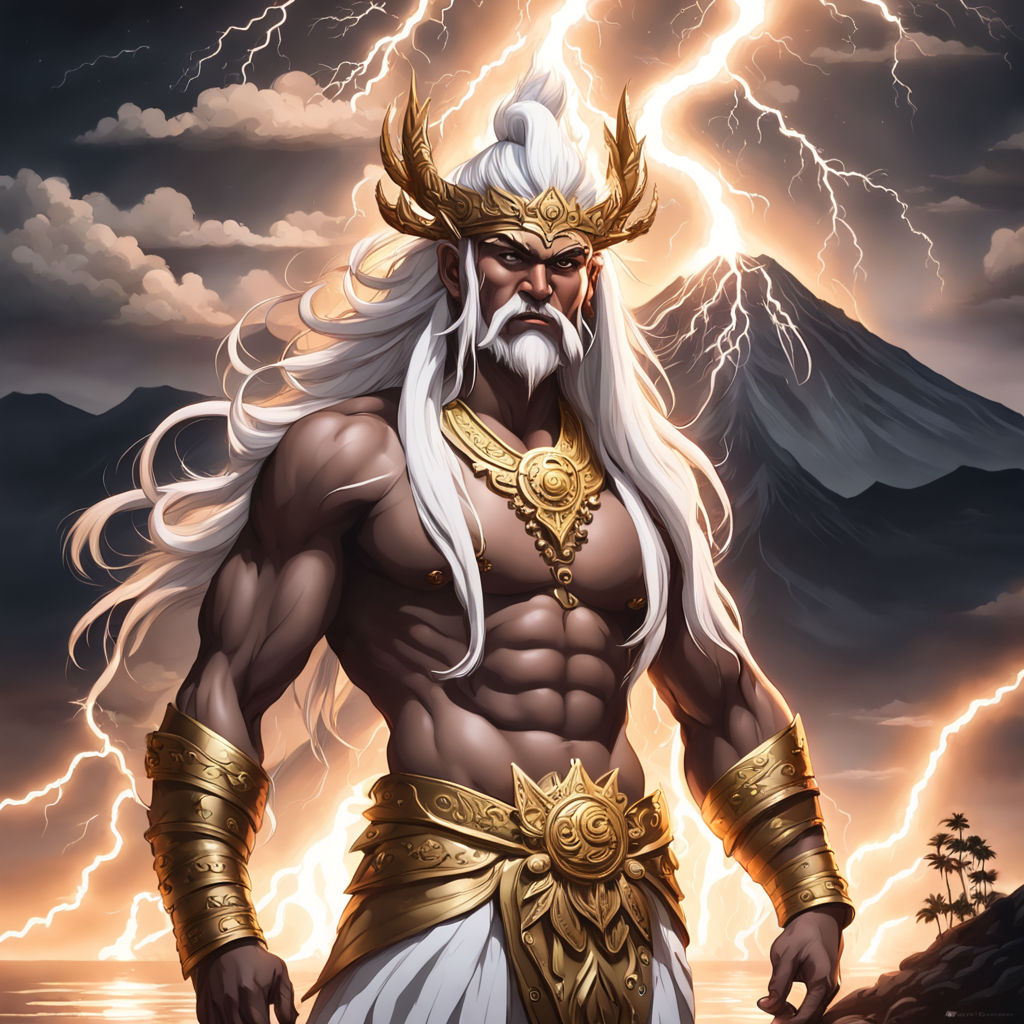
monuments found in their ancient dwelling places, caves, and personal effects. These erected monuments were mostly tall and mighty signifying their high regard and deep respect to their anitos (ancient gods). Their forebears worshiped Gugurang, their Supreme Being and Mightiest God in their Kamurawayan. Gugurang is their savior and protector from calamities, life challenges, tempest, and
evil. He is also their defender against Aswang an
evil deity who dwells in the gagamban
(scorching hell). Native Bicolanos subscribed to the idea that they are always protected and guided by the anitos. They considered that all of their blessings and good fortunes came from God for which they were truly grateful. They also trusted Batala, a lesser god whose mission is to instill
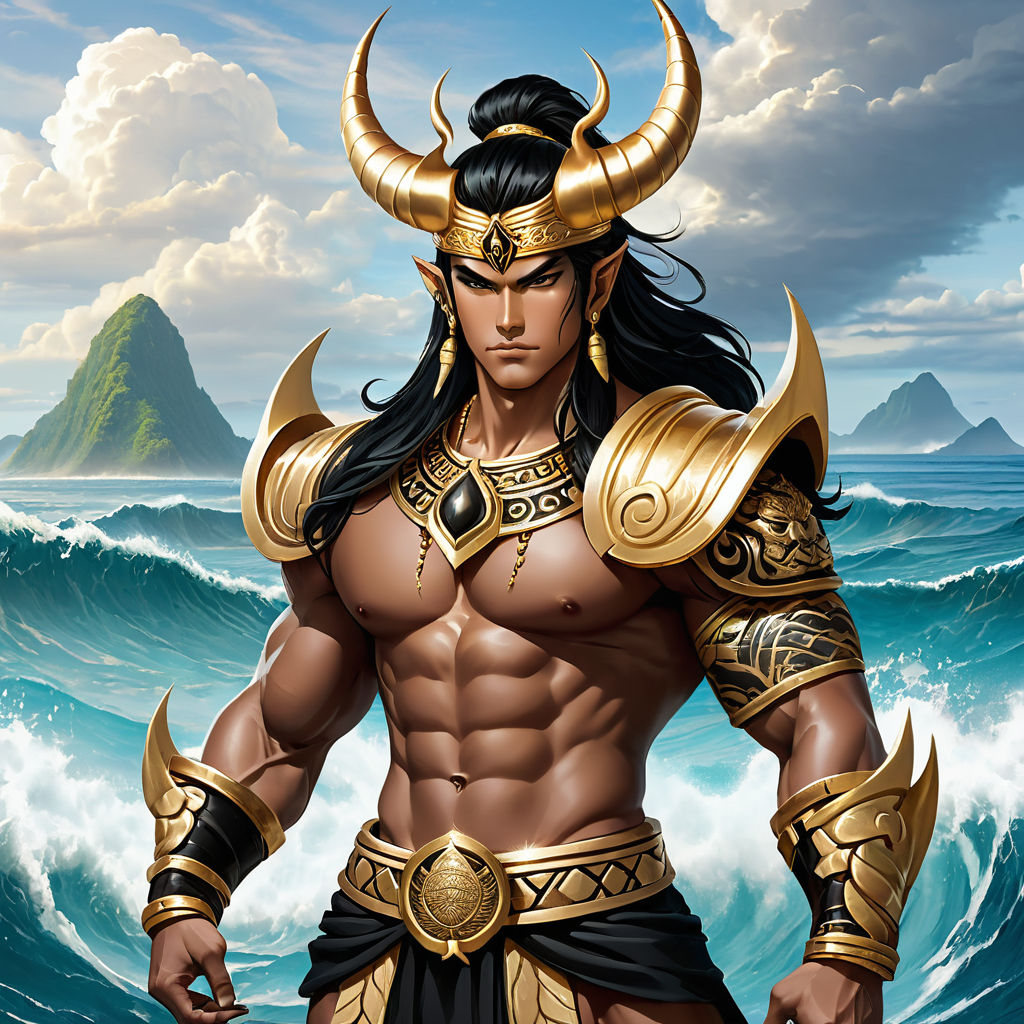
peace and order and that all the inhabitants in his reign are living harmoniously and contentedly. They also recognized the other spirits like Katambay, the guardian angels; Okot, god of the forest and hunters-keeper, such that by merely whistling he guided the hunter to a productive hunt. On the hand, the Bicolanos also trusted Magindang
, their goddess of the sea which aided the fishermen for an abundant catch through his magical sounds and signals
The early Bicolanos have also peculiar rituals for each deity they are worshiping, one of which is called Atang, or offering through dancing to Gugurang. They are offering their best produce as a thanksgiving token for a bountiful harvest. This rite is also being done to ask God for rains during drought season so they could plant. The ritual is done in their gulang-gulangan or thatch hut serving as prayer room. Their best harvest or himoloan is being offered on the table they called salangat. The ritual is done by means of dancing and singing. Asog, the main priest, dances the taruk, or quick marching steps to worship Gugurang. Sometimes, the baliana would do the dancing in honor of their moon gods(Haliya and Bulan). While singing and dancing, the baliana together with the women are singing the soraque or chant. The group is roaming around the whole community enticing everybody to participate because pag-aatang or atang involves the entire village. The atang ritual starts with the pounding of the gong or patong to invite all the participants and get ready for the ceremony. Then the baliana followed by all the tribesmen marches towards the gulang-gulangan. Next, the baliana and the tribeswomen sing the soraque, the chant for atang to implore for Gugurang’s mercy and compassion. This is followed by a sumptuous banquet, and eventually a merry-making of songs and dances ensue
After the ritual, all the tribesmen and participants become tired and weary as they retreat to the altar and pray There are other earlier studies depicting the ancient rites of the early Bicolanos. Just like the atang or offering, this ritual is also a plea for protection from harm of the evil spirits. The farmers are also doing the ritual of pakikimaherak, to beg for God’s mercy and safekeeping of their farms from pests and diseases. Through their incantations, the natives are also literally begging the pests and other predators to be kind and not to harm their rice fields. According to Reyes, the Tinagba Festival or Pintakasi in Iriga City (a city in Bicol), originated from Atang or thanksgiving to Gugurang. It is led by an effeminate priest called Asog assisted by a baliana. The Atang ceremony ends with a sumptuous meal, raucous songs and dances, drinking spree and oftentimes in a free-for-all rio
The people of Ibalong believed in the gagamban or hell, also kamburagan: paradise and in the kamurayan or heavens. They also believed in ''liwat na pagkamundag'': reincarnation, rebirth
pagkamundag uli: reincarnation, rebirth. They also have a strong belief in mortals who were given powers or knowledge from the gods
asog: ritualist, priest/ess (feminine male assigned at to be a godspeaker and healer)
balyan: ritualist, priest/ess
parabawi: an exorcist, referring to anyone who drives evil spirits out of the body so that good spirits may return
parabulong: anyone who administers medicine
hukloban/hokloban/hodoban: witch doctor, malicious sorcerer who killed men and animals, and demolished houses
matanda: a wise old ruler
nuom: clairvoyant; seeing in mind’s eye/imagining something that comes true
parapalad: fortuneteller
pintakasi: defender, patron, patron saint
sunat: a high priest/ess responsible for ordaining the asog and the balyan
tagohalim/tagohalin/taguhalin: shapeshifting sorcerer
tagolainan: a sorcerer.
tuyaw: magtuyaw/tuyawon: to prophesy, paratuyaw: a prophet
Like any of the old colonies and kingdoms in the pre-colonial Philippines, their belief system and prayers revolve around rituals and godspeakers who commune with ancestor spirits and the gods themselves.
Palihon/paliyon/polion is the general term for rituals, beliefs, and taboos, and their preservation.
Rituals are done for the anito and/or gugurang, and sometimes for the tawong-lipod.
Anito/diwata are generally ancestor spirits out in nature.
Gugurang are generally ancestor spirits of the household that come along with a person, namesake for the single supreme deity inside Mount Mayon.
Batala/bathala are a set of special gods/spirits that watch over a village or clan, similar to guardian angels.
The tawong-lipod are spirits of the wind and clouds, believed to be servants of the lunar gods Haliya and Bulan.
The people of old ibalong also believed in the power of spells and charms and certain talismans that hold power and protection
An anting is the name of a physical charm or talisman. Munay is a general ointment.
aguatiempo: a potion which replaces drinking water of sick people in the belief that it will hasten the effect of medicine which has been administered
barat: the wind from the west; bolt; a needle-like wooden or metal peg which is an accessory to a small idol in human shape possessing movable joints and having many holes; if the barat is inserted into a chosen spot on the idol; after an incantation mumbled by the mambabarat the victim is supposed to suffer at the spot pierced by the peg; mambabarat a sorcerer who uses a barat
hinaw: a charm created by the balyan capable of identifying a thief; maghinaw to divine by using such a charm; maghinaw/hinawon to suspect of thievery by such divination
huklob: root (used by witch doctors in their ceremonies); maghuklob / huklobon to enchant, bewitch; hukloban witch doctor
kabal: an amulet which has the power of making its possessor invulnerable to the bolo and the spear, rendering these weapons dull, or suspending them in air upon attack; generally a circular piece of copper with a hole in the center, or a bit of shell roughly carved into the shape of anito noted for particularly admired exploits
laaw: root used as a charm which if brought into contact with an enemy can cause sickness or inflammation maglaaw /laawan to charm or bewitch with this root
lumay: love potion, maglumay / lumayon to give someone a love potion so that he or she will fall in love with you; makalumay/malumay to be affected by a love potion
mutya: pearl, jewel, gem, precious stone, anything someone holds dear, something beloved
himara/maghimara: to predict the future by observing external movements, such as that of a wheel moving slowly, or a dager hanging by a rope like a depndulum fast, etc.
hula: prediction; maghula / hulaan to augur, forecast, foresee, foretell, predict
pamaghat: a medicinal mixture of tree roots and alcohol, given to nursing mothers
pato: a root or charm which causes someone to who steals from you to fall ill or die
tagalpo: a herb carried by hunters and used to charm wild game so that they will not flee; a magic formula which, if thought of mentally, can turn a hostile attitude into cordiality, or an enemy into a friend; a type of hypnotism
tagohalim/tagohalin/taguhalin: Someone who makes charms/spells through shapeshifting or saying words; a root that was used in spells to aid in flying or shapeshifting into animals (cats or dogs); a plant from which an extract is derived enabling a man to fly, or to change himself into a dog or cat or other animal
tagohopa/tagahupa/tagolmay/tagulmay: A species of grass from whose roots may be prepared a brew capable of depriving a man of his will-power.
tagulipod: a plant possessing roots which, when eaten, may render a man invisible at will
tambal: antidote, snake medicine, tambalan: one proficient in such treatment
tauac/tawak: A charm which can be protect someone from a poisonous insect or snake bite; the charm is affected by pricking the person with something serving as an antivenom
Collection of Stories and Different versions of same stories orally passed down in Ibalong and contemporary Bicol
IBALONG
In the ancient land of Ibalong, where the whispers of epic tales echoed through the lush and fertile landscapes, the Ibálong saga unfolded, handed down through generations by the Kadunung, the epic chanters of the Bikol region in the Philippines.Long ago, Ibalong emerged from the sea, its shores graced by ships carrying people led by Baltog, a leader believed to be a descendant of the gods. Clad in gold ornaments, Baltog's skin was pale, hinting at a lineage linked to the mysterious "tawong lipod" or wind people. These pioneers, settling in Tundol, faced a land teeming with both richness and peril, its soil abundant but infested with mythical creatures.
Devout worshipers of moon gods, the settlers transformed Ibalong into a thriving colony, cultivating crops and building their homes. Yet, the land's mythical denizens, including the intelligent and marauding Tandayang sa Opon, posed a constant threat to their prosperity. In a furious clash, Baltog, armed with unparalleled strength, single-handedly vanquished the formidable boar, adorning his house with its colossal jawbones.
Celebrations ensued, attracting tribes like Panikwason and Asog, who marveled at the jawbones. However, more challenges awaited Ibalong, as the arrival of Handyong marked a new chapter in the epic.Handyong and his valiant warriors, armed with bolos and unwavering determination, sought to cleanse Ibalong of mythical creatures. The battles were fierce, spanning ten months of relentless combat against monsters like the one-eyed, three-necked behemoth and the giant flying fishes, Tiburon. Undeterred, Handyong and his warriors triumphed over each adversary, enslaving even the fierce Tamaraw.As the mythical creatures of Ibalong fought back, Sarimao, giant beasts, and Buaya, humanoid crocodile creatures, faced the wrath of the moon-blessed warriors. The rivers and swamps of Ibalong ran red with the blood of these mythical beings, witnessing the purging of their ancient presence.The godly intervention of Asuang signaled the end of the monsters' reign, with the moon god Gugurang favoring mankind. Oryol, a demigoddess, emerged as a formidable adversary, using her serpentine charm and the aid of mermaids to thwart Handyong's men. However, love blossomed amidst the chaos as Handyong and Oryol engaged in a fierce but respectful battle, leading to a surprising alliance. United, they revealed the secrets of gods and beasts, bringing prosperity to Bicol.Yet, the gods' involvement did not cease, and the tragic love story of Onos, Takay, and Kamaway unfolded, causing divine upheaval. Onos, the storm god, wreaked havoc, sinking Mount Asog and creating Lake Buhi. However, the compassionate moon gods, Bulan and Haliya, transformed the remains of Takay into vibrant flowers, a symbol of love and redemption.The tale took a darker turn as Onos, spurned by mortal love, unleashed Rabot, a half-human, half-monster abomination. Bantong, a hero and friend of Handyong, confronted Rabot, exploiting its weakness and vanquishing the creature. Strangely, Handyong mourned the beast's demise, sensing the end of an era where men's actions mirrored monsters.The Ibálong, passed down by the Kadunung, painted a vivid tapestry of Ibalong's mythical past, blending the heroic and the tragic, the divine and the mortal, in a symphony of folklore that resonated through the ages.
TATLONG BULOD
In the mystic realm of Ibalon, where gods and mortals coexisted, a tale unfolded beneath the moonlit skies, blending the haunting echoes of tragedy with the intoxicating allure of love. Ruled by Datu Makusog and his ethereal wife Diwani, their daughters, Malinao, Masaraga, and the youngest beauty, Magayon, were destined to become the loveliest maidens in the land.Masaraga, with her brown beauty and unwavering determination, sought the secrets of the gods to elevate Ibalon's prosperity. Malinao, veiled in mystery and carried in a palanquin, held a connection to lunar deities, bestowing bounty upon the sea. Magayon, adorned with golden-copper skin and copper hair, possessed a proud spirit, finding solace in the company of birds that sang to her.The enchanting melody of Magayon's avian companions formed a symphony around her.The trio, chosen for the sacred dance of ''atang,'' embarked on a destiny that intertwined divine favor and ominous omens. Masaraga's fervor to unlock the gods' secrets, however, angered Oryol, daughter of the malevolent deity Asuang. Oryol's haunting voice summoned the Banog, a monstrous being, leading to Masaraga's tragic fall from the sky.Oryol, consumed by jealousy, devised a plot against Malinao, transforming into Masaraga to lure her sister into the clutches of malevolent mermaids. The sea swallowed Malinao, extinguishing the light that radiated from her connection to the moon god.
Now, Oryol turned her attention to Magayon, a radiant but prideful beauty. Despite noble suitors, including Datu Pagtuga with his treasures from the deep sea, Magayon remained aloof. Gino Panganoron, a noble with the blood of wind people, ventured from afar, captivated by Magayon's allure. As their hearts entwined, Oryol plotted a tragic destiny at the river called Yawa.The slippery stones, orchestrated by Oryol's enchanting melody, beckoned Magayon towards the treacherous waters. Yet, it was the patient and noble Ulap, known as Gino Panganoron, who emerged as her savior, rescuing her from the clutches of drowning fate.
Ulap's act of heroism kindled a flame of love, leading Magayon to accept his marriage proposal. Their impending union, however, stirred Oryol's wrath. Infusing wicked thoughts into Datu Pagtuga's mind, Oryol orchestrated his abduction, leading to a dire ultimatum for Magayon – marry or witness her father's demise.
On the day of their ill-fated wedding, Ulap and his men descended upon Pagtuga and his warriors, transforming festivities into a battleground. Amidst the chaos, Ulap triumphed over Pagtuga, only to face a heart-wrenching tragedy. An arrow, launched in treachery, struck Magayon, piercing the air with sorrow.
As Magayon fell, Ulap's guard dropped, allowing Linog, Pagtuga's loyal warrior, to seize the moment. A spear plunged into Ulap, sealing their destinies together in death. Datu Makusog, in grief, avenged Ulap's death, his bolo striking down Linog.
Witnessing the sorrow that befell the three sisters, the gods left their mark on the land. Mount Masaraga, where the first tragedy occurred, and Mount Malinao, where the sea claimed a maiden, emerged as eternal memorials. Yet, it was at the burial site of Magayon and Panganoron that Mount Magayon, now known as Mount Mayon, stood as a testament to love transcending mortality.
And as clouds enshrouded the summit of Mount Mayon, the people believed it to be Ulap's eternal kiss, a poignant reminder of a love story entwined with the darkness and passion that defined the enchanting saga of Tulong Bulod.
HANDIONG AND ORYOL
In a time long past, amid the enchanting landscapes of the Bicol Region, the kingdom of Ibalon flourished, its beauty echoing through the tales of its wise and gallant ruler, Handyong. Nature itself seemed to sing praises of him, from the chirping Mayas to the croaking king-frog, Maribok. The mother Kalaw, Tuktok, and even the bald rooster, Poringot, all held homage to Handyong's virtues.
Despite the adoration, a shadow lingered over Handyong's heart. Deep within the mystical forest, monsters roamed freely, led by the elusive and cunning serpent, Oryol. Oryol, once a maiden of unparalleled beauty, had been ensnared in the treacherous clutches of an evil witch, Hilang, and transformed into a serpent by day and a woman by night. The only hope for Oryol's release lay in the destruction of an enchanted pitogo seed, a vow sealed in pitogo's demise.
Haunted by the recurring attacks on his kingdom, Handyong decided to confront the monsters once and for all. Deep into the forest, he ventured, determined to rid Ibalon of its nocturnal terrors.
Meanwhile, in the heart of the forest, the monsters convened to blame each other for their previous defeat. Amidst the bickering, Oryol, the wily serpent, smiled and devised a cunning plan to destroy Handyong. As the monsters retreated to their lairs, Oryol felt an overwhelming loneliness, prompting her to reveal her human form once more.
Days passed, and as the moon waxed full, Oryol's restless spirit stirred. Bathed in the moonlight, she transformed into a captivating woman, her beauty radiant in the dimly lit forest. As she sang her enchanting song, even the night owls fell silent in awe.
Handyong, leading his followers, stealthily approached the clearing. Enchanted by Oryol's song, his men succumbed to a magical slumber. Only Handyong, resisting the enchantment, remained vigilant. Witnessing the transformation from serpent to woman, he recognized the duality within Oryol.
As Oryol approached, intending to strike, Handyong's quick reflexes captured her neck. In a surprising twist of fate, she transformed back into a beautiful woman. Torn between her vow to kill Handyong and the unexpected surge of love, Oryol found herself at the mercy of her emotions.
With a gentle touch, Handyong laid her on a bed of leaves, his heart recognizing the humanity within her. Love blossomed unexpectedly as he bent down to kiss Oryol. In this tender moment, the enchanted pitogo seed fell from her hand, accidentally crushed beneath Handyong's foot, breaking the spell.
The monsters, now weakened, stirred from their slumber, launching an attack on Handyong and his followers. The forest echoed with the clash of bare-handed men against monstrous foes. The destruction of the pitogo seed crippled the monsters, leaving Oryol in a dilemma.
Torn between her loyalty to the monsters and her newfound connection to humanity, Oryol revealed the monsters' vulnerability. The battle raged on, and Handyong's men, armed with this knowledge, strategically aimed at the monsters' hearts.
In the aftermath, Handyong approached Oryol, who stood conflicted. Realizing the monsters were never truly her friends, she wept for the loss of her home and companions. In a gesture of compassion, Handyong offered her a chance at a new life.
As they embarked on a journey back to Ibalon, the animals of the forest, from Maribok to Poringot, joined in colorful celebration. The creatures that once feared Oryol now recognized the transformation within her, as love and redemption unfolded in the heart of the enchanted kingdom.
ALAMAT NG TAKAY
LEGEND OF THE TAKAY FLOWERS
In the ethereal realm of divine affairs, the legend unfolds like a romantic tragedy, a celestial ballet choreographed by the gods. Onos, the Sky God of Storms, cast his celestial gaze upon a child named Takay, watching her blossom into a maiden of unparalleled beauty. The tale, whispered in hallowed tones, tells of a love destined for heartbreak.Bulan, the benevolent god of the moon, forewarned Onos about the perilous dance between a deity and a mortal. A cosmic warning echoed through the heavens, cautioning that such love would inevitably birth pain and suffering. Yet, ensnared in the enchanting allure of Takay, Onos defiantly spurned the celestial counsel, allowing his heart to be captivated by mortal beauty.Onos descended from his celestial abode, the heavens quivering with anticipation. With the radiance of moonbeams bathing her, Takay stood before him, a vision of earthly loveliness. Onos, intoxicated by love, declared his affections to the fair maiden, only to be met with the heart-wrenching revelation that Takay's heart was already entwined with another—Kanaway.
Fueled by jealous fury, Onos soared in pursuit of Kanaway, determined to erase the rival who held Takay's heart. Lightning arced through the skies as Onos hurled bolts of divine wrath, turning Kanaway into an eternal monument of stone. In a vengeful frenzy, Onos unleashed his celestial might upon Mt. Asog, causing it to crumble and sink into the depths, birthing the tranquil expanse known as Lake Buhi.Undeterred by the cosmic consequences, Onos, wrapped in storm clouds and raging tempests, unleashed torrents of floodwaters upon the once-thriving colonies and minor kingdoms of Ibalong. Bulan, witnessing the devastation, dispatched his wind people in a desperate attempt to stem the celestial onslaught, but Onos's power proved insurmountable.As the celestial gods descended, their arrival marked too late to spare Ibalong from the cataclysmic fallout of divine fury. The colonies lay in ruins, the remnants of a once-bustling realm now silenced by the echoes of a celestial storm.
In the mournful night that followed, Bulan descended with a heavy heart, discovering the lifeless form of Takay tenderly cradled by water plants. Moved by compassion, Bulan, with tears that shimmered like moonlight, transformed Takay into a delicate flower, the Tacay, now adorning the landscapes of Bicol in perpetual bloom. A symbol of undying love and a testament to the tragedy that unfolded, the water hyacinth stands as a floral legacy, weaving the tale of a celestial romance that defied the very fabric of divine order.
DARAGANG MAGAYON
In the quaint town of Daraga, nestled within the Albay province of the captivating Bicol Region, a majestic beauty stood in all its glory — Mayon Volcano, the most enchanting volcano in the Philippines. The awe-inspiring landscape of Mayon became the canvas upon which the locals painted the mesmerizing legend of "Daragang Magayon" or "Dalagang Maganda" (beautiful maiden) in Tagalog.At the heart of this captivating tale was a princess, the epitome of beauty and grace, known as Daragang Magayon. Adorned with a radiant countenance, she was often surrounded by a symphony of small birds, their melodies echoing the harmonious spirit within her. Also recognized as Mayon or Daragang Magayon, she was the youngest among her sisters, Masaraga and Malinao. Blessed with a golden-copper complexion and hair of the same hue, she radiated an ethereal charm that captivated the hearts of men far and wide.
Daragang Magayon, the cherished daughter of the benevolent and wise Datu Makusog (King Makusog), was not merely a vision of physical beauty but also possessed a character as captivating as her appearance. However, her pride and occasional moodiness added a layer of complexity to her character, making her more than just a conventional princess.A peculiar habit of Daragang Magayon was her clandestine ritual of bathing in the Yawa River every morning at the break of dawn. This serene moment, shielded from the prying eyes of the world, was a sacred act she performed with an innate sense of privacy.It was during one such dawn that fate intertwined the lives of Daragang Magayon and a traveler from the distant kingdom of Laguna. A young and enchanting lad named Ulap (cloud) accidentally stumbled upon her secret, and the moment he laid eyes on the beautiful maiden, he was entranced by her unparalleled beauty.Ulap, driven by destiny, decided to reveal himself to Daragang Magayon. As their hearts connected, their love blossomed, and their union was blessed by the benevolent King Makusog. Ulap, seeking to formalize their commitment, sought permission to journey back to Laguna and gather his relatives for the pamamanhikan, the prenuptial gathering.News of the impending union spread like wildfire, reaching neighboring kingdoms, including the Kingdom of Iraya, ruled by the envious Patuga. Consumed by rage and resurrected pain from Daragang Magayon's past rejection, Patuga cunningly devised a plan to disrupt the impending nuptials.
He manipulated his people into believing that Daragang Magayon's marriage to a foreign man was an affront to their masculinity. Fanning the flames of discontent, Patuga persuaded his subjects to launch an attack against the Kingdom of Rawin, with the intention of capturing King Makusog and demanding Daragang Magayon as ransom.Amidst the joyful preparations in Rawis for the arrival of Ulap's relatives, Patuga seized the opportunity and orchestrated a surprise attack. The unsuspecting people of Rawis fell victim to the sudden assault, with King Makusog effortlessly captured.In a noble act of sacrifice, Daragang Magayon offered herself as ransom for her father's freedom, despite the internal struggle this decision caused her. As the enemies closed in, Ulap and his clan from Laguna arrived just in time to join the battle against the treacherous invaders.
Under the scorching sun and amid swirling dust, the clash of swords and bolos echoed through the air. Daragang Magayon's heart pounded with suspense as the battle unfolded. Amidst the chaos, a lifeless body fell to the ground, momentarily sending shockwaves through the maiden's heart. To her relief, the fallen figure was not Ulap but Patuga.Turning around, Daragang Magayon saw Ulap with open arms, ready to embrace her. With unbridled joy, she rushed into the waiting arms of her lover. However, in a tragic twist of fate, a deadly arrow, launched by one of the enemies, pierced their entwined bodies. The sky was shrouded in gloom as the two lovers slowly descended to the ground.
The entire Kingdom of Rawis mourned the loss of their cherished couple. King Makusog, recognizing the undying love between Daragang Magayon and Ulap, decreed that the two should be buried together. Death, he proclaimed, should not separate what true love had united.As the saying goes, true love is difficult to bury. Like a relentless current, it persists, struggling to resurface. The legend insists that Daragang Magayon's love was so potent that her grave transformed into the towering majesty of a volcano, a poignant emblem of her enduring love. Lava erupted from this sacred monument, symbolizing the overflowing passion of her affection. This majestic volcano, emerging from the resting place of Daragang Magayon, became known as the Mayon Volcano, forever immortalizing the tale of a love that defied even death. Daragang Magayon, they say, lives on as the Mayon.


.jpeg)


.jpeg)


.jpeg)


