The Demon of Kanlaon: Laon, the Fiery Harbinger of Destruction

Myths, stories, legends,folklore and fairytales...
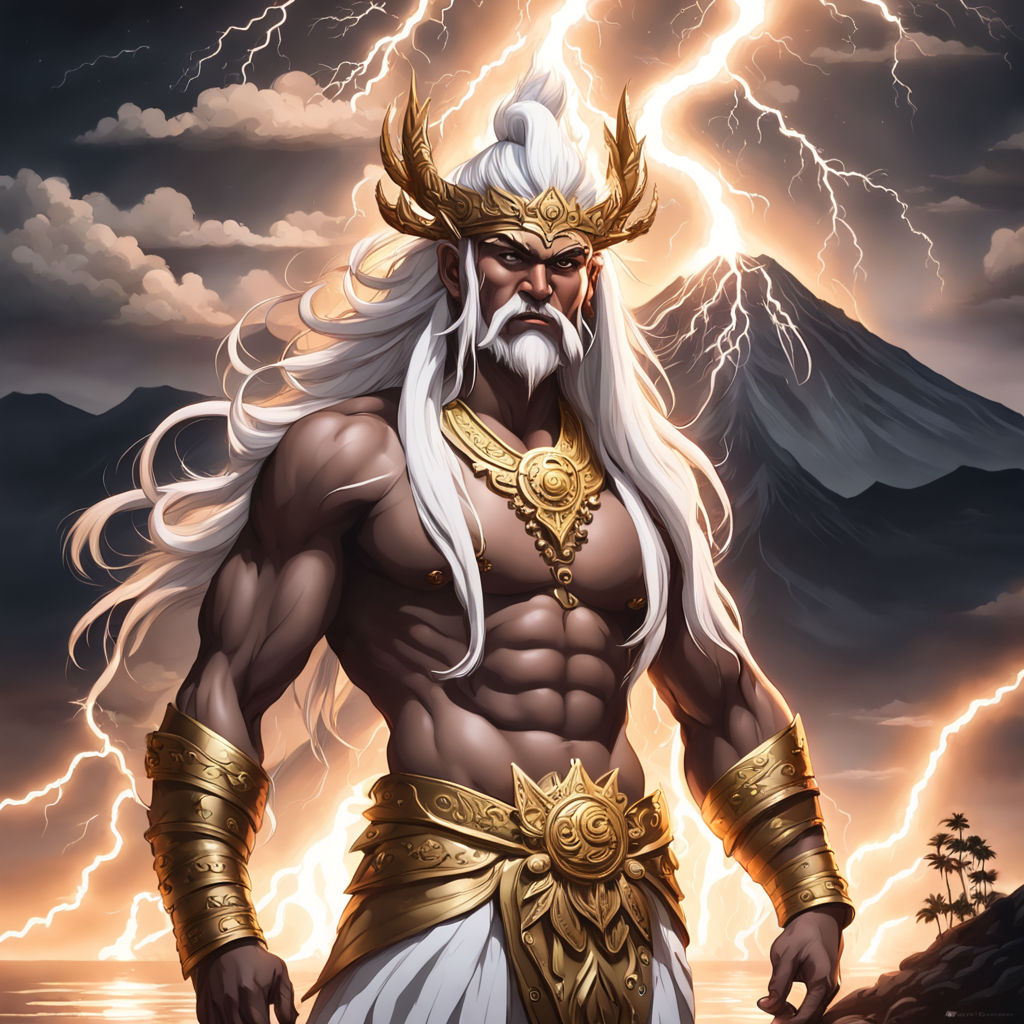
The Kanlaon Volcano, located on the island of Negros in the Philippines, is not just a geologic wonder but a focal point of myth and folklore for the people of the region. Among the most intriguing tales is the legend of Laon, a malevolent demon of fire and destruction. This entity, often linked to the fiery eruptions of the volcano, is said to slumber deep within Kanlaon’s core, only to awaken in moments of fury, bringing devastation to the land.

Ang Bulkang Kanlaon sa Pilipinas ay mayaman sa heolohiya at mitolohiya, partikular sa alamat tungkol kay Laon, isang mapaminsalang demonyo ng apoy at pagkawasak. Ayon sa kwento, si Laon ay natutulog sa loob ng bulkan at nagigising upang magdulot ng sakuna tuwing may pagputok. May kaugnayan ang karakter ni Laon sa paniniwala ng mga sinaunang Bisaya, kung saan siya ay isang diyosang konektado sa kalikasan at kasaganaan, ngunit kalaunan ay naging simbolo ng pagkasira. Binanggit din ng mga misyonerong Espanyol sina Lalahon o Laon bilang isang diyosang nauugnay sa agrikultura at lakas ng bulkan.
Si Lalahon ang diwata ng Bulkan at apoy, samantala ang Laon sa ibang kwentong bayan ay isang diablo ng apoy sa bulkan, Apoy, lahar at pagkawasak.

Sa mga alamat, ang pagputok ng bulkan ay itinuturing na galit ni Laon, na makikita sa pag-agos ng lava, makakapal na ulap ng abo, at pyroclastic flows. May pagkakahawig ito sa mga alamat ng mga Bicolano na itinuturing si Kanlaon bilang isang masamang diyos ng apoy. Ang pagsabog noong Hunyo 3, 2024, na nagpalikas ng 1,386 pamilya at nagdulot ng malawakang pinsala, ay nagpatibay sa paniniwalang ito. Naibalita ng mga komunidad ang mabahong amoy ng asupre, pag-ulan ng abo, at haze na umabot sa malalayong lugar, na lalong nagpalakas sa ugnayan ni Laon sa pagkawasak.

Mythological Background
The name Laon has ancient roots, echoing the name of an ancient deity once revered in pre-colonial Philippine mythology. In a curious and eerie parallel, the demon Laon is viewed as an antithesis to the benevolent goddess once associated with nature and fertility. Over time, especially among the superstitious, Laon evolved into a representation of the uncontrollable and destructive aspects of nature, particularly tied to volcanic eruptions.

Lalahon, or Laon or Lauon. A deity of the ancient Visayas. According to Father Delgado, Lalahon was a woman residing in the volcano of Alalaspina (Isla de Negros). They invoked Lalahon for their seedlings and when they didn't want to give them to them, send them the lobster. Father Chirino says that Laon denotes antiquity and was the name of the chief and superior god of the Visayas. Today, the Visayas de Negros peasants say that the demon Lallaon resides in the Malaspina volcano.
- Ferdinand Blumentritt Mythological Dictionary of the Philippines
"The god Lalahon. It is said that the divinity Lalahon dwells in a volcano in Negros island, whence she hurls fire. The volcano is about five leagues from the town of Arevalo. They invoke Lalahon for their harvest; when she does not choose to grant them good harvests she sends the locusts to destroy and consume the crops."
- Miguel de Loarca in Relación de las Yslas Filipinas (1582).

"Lalahon was the fire-breathing goddess of Mount Canlaon who could be invoked for good crops but who sent out swarms of locusts if angered"
- William Henry Scott in Barangay - Sixteenth Century Philippine Culture and Society
The Malevolent Laon
 |
| Kanlaon the evil deity of destruction and fire |
Ang Diablo ng Bulkan, Kanlaon
Like many old gods, often demonized and viewed as demons in modern times. In local folklore, the eruptions of Kanlaon are not mere geological events but manifestations of Laon’s wrath. The fiery plumes, rivers of lava, and ash clouds are interpreted as the demon's fiery breath, while the earthquakes and pyroclastic flows are attributed to his violent movements beneath the earth. Some Bicolano myths parallel this view, where Kanlaon is regarded as an evil god of fire and destruction, aligning with the widespread association of volcanoes with divine or supernatural retribution in Philippine folklore.
Ang Demonyo ng Kanlaon
Sa mga kwentong Bayan at alamat ng mga Bicolano si Laon o Kanlaon ay ang masamang demonyong-anito ng kabilang ibayo, tawid dagat (Kabisayaan). Ang anito ng apoy, buklan at pagkawasak. Isang demonyo, isang masamang anito. Isang matikas at makapangyarihang hari ng bulkan, si Kan Laon. Ang hari sa kabundukan, apoy at pagkawasak.
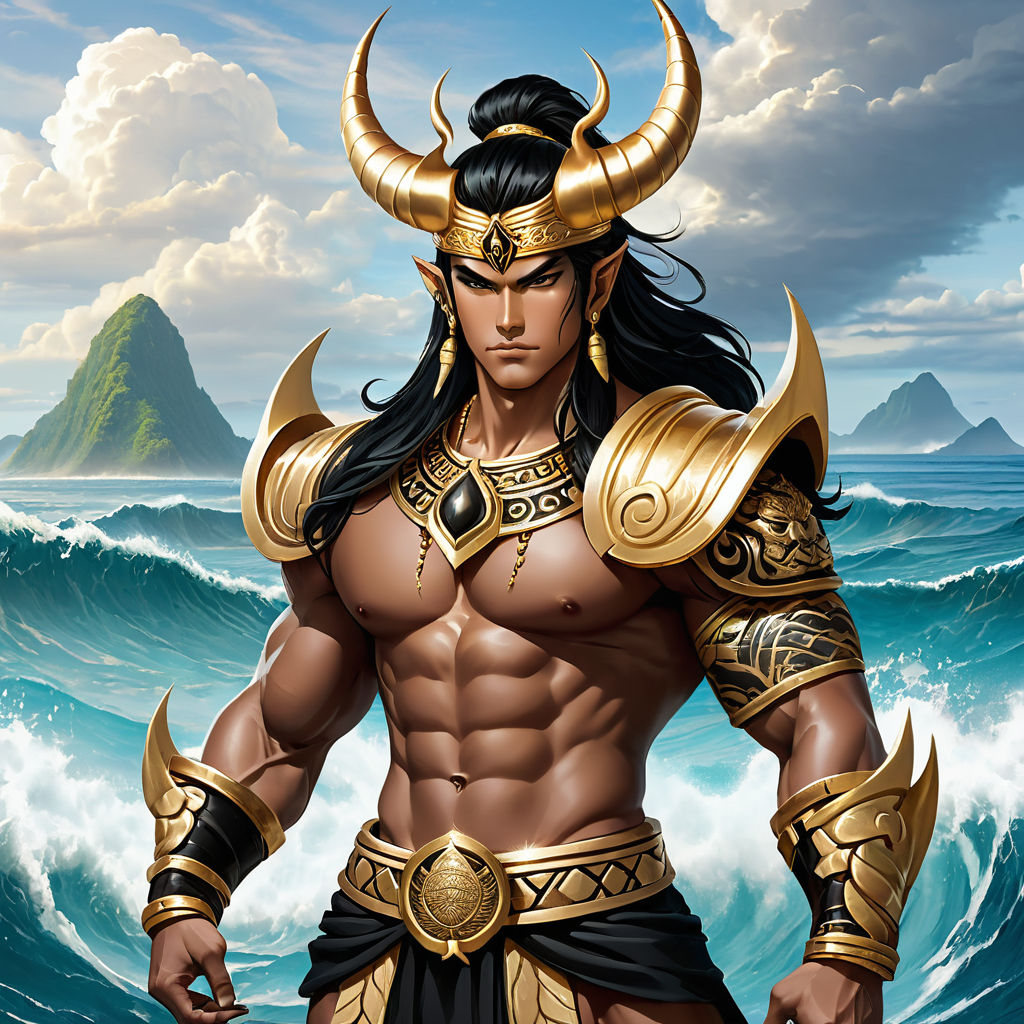
Habang sa mga kwento ng mga Bisaya si Lalahon ay isa sa mga katawang lupa ni Laon, isang magandang diwata ng apoy at ng bulkan.
Kung paniniwalaan ng hinduismo at animismo ang mga sinaunang bathala ay hindi lang iisa ang katauhan. maraming anyo at maraming katawang lupa. may masama, may mabait. tulad ng kalikasan walang iisang tunay na mukha at wangis.

The Demon of Kanlaon Volcano
In the folklore of some locals living near Kanlaon Volcano in the Philippines, it is said that a demon named Laon is sealed within the volcano. This being is depicted as a fiery and malevolent entity, embodying the destructive power of the volcano itself. Laon is described as a demon who breathes fire and brings destruction. Its fiery nature is often linked to the glowing lava and eruptions of Kanlaon Volcano. According to the stories, Laon spreads chaos through fire, destruction, and suffocating sulfuric clouds. The dark smoke and ashfall during eruptions are interpreted as manifestations of the demon’s anger.
The name "Laon" has ancient roots in Visayan mythology, where it was associated with a supreme deity or a powerful figure. Over time, this interpretation may have shifted, influenced by colonial-era Christian teachings that reframed such beings as demons rather than gods.
This folklore reflects how local communities interpret the powerful and unpredictable forces of nature, blending spirituality, mythology, and oral tradition into a story that connects the physical world to the metaphysical.
Modern Folktales about the Demon of Kanlaon
The tales surrounding the Demon of Kanlaon continue to captivate audiences, blending history and mythology into chilling stories. Below are some modern interpretations of these folktales.
The Dragon of Kanlaon a childrens fairytale

One of the many contemporary story about Kanlaon Volcano is the dragon of Kanlaon. Its a testament on how stories and mythologies evolve over time. Though Fire breathing dragon is a very western and European concept ( Almost all Asian dragons are perceived as benevolent and neutral associated with water and good fortune.) . It shows how the local lore can mix with the folktales and foreign influence. A True testament in how Philippine mythology changes and evolves over time. Today the Dragon of Kanlaon is more popular with the English-speaking Filipino abroad community. a perfect blend of Foreign influence and oral lore. It also shows how Philippine mythology is very inclusive.
possible European and Western influence on the fairytale.

Dragon as a Christian and Catholic symbol for Evil and fire
In Christian and Catholic traditions, dragons are often symbols of fire and destruction due to their portrayal in biblical and theological contexts as representations of chaos, evil, and opposition to divine order. We could Speculate that the Dragon is actually the evil fire breathing deity of the Volcano.
%20(1).jpg) |
The Archangel Saint Michael Terrassing the Dragon by V. M. De Girolamo after Guido Reni, 1957
Biblical Association with Satan and Evil
- In the Book of Revelation (12:9), the dragon is explicitly associated with Satan: "And the great dragon was hurled down—that ancient serpent called the devil, or Satan, who leads the whole world astray." This depiction ties dragons to ultimate evil and rebellion against God.
- Dragons symbolize Satan's destructive nature and his role in bringing sin and chaos into the world, often portrayed through fire and destruction.
_-_(MeisterDrucke-399202).jpg)
Fire Dragons of the West
.jpg)
The Eruption of 2024
On June 3, 2024, the Kanlaon Volcano erupted dramatically, displacing 1,386 families and sending shockwaves of fear across the region. The eruption, which included a 5,000-meter-high plume of incandescent ash and probable pyroclastic density currents, was described as both awe-inspiring and terrifying. Many locals, steeped in the lore of Laon, could not help but see this as the demon’s latest awakening.
Communities near the volcano reported sulfurous odors and ashfall, while volcanic haze spread as far as the Bicol Region, reinforcing the mythical connections between Laon and widespread destruction. Adding to the devastation, heavy rains following the eruption triggered lahar flows in nearby towns, such as La Castellana, burying homes and farmland in volcanic debris.


LaLaon as a Demon for fire and destruction
Folklore Meets Reality

 Typhoon Ferdie (Philippines
  )
) Kanlaon Volcano eruptive unrest
 Earth Quakes
 Ashfall
 Flashflood
 Landslide
The enduring tale of Laon reflects the way myth intertwines with reality in the Philippines. For centuries, the people living near Kanlaon have both revered and feared its power. Stories of Laon serve as a cultural coping mechanism, explaining the unpredictable and catastrophic nature of volcanic eruptions. These legends also underscore the deep respect Filipinos have for nature, recognizing both its life-giving and life-destroying forces.
If animism is to be believed The worship of the demon Laon makes it stronger, more fire and more destruction
As the ash settles from the 2024 eruption, the tale of Laon will undoubtedly continue to evolve, merging historical events with myth, keeping the fiery demon of Kanlaon alive in the hearts and minds of the local people. The enduring power of this folklore ensures that Laon remains not just a figure of terror but also a symbol of the Philippines' enduring relationship with its natural and spiritual world.
Reminder Myths, stories and Symbolic. Mythological iterations of ancient stories which people have been telling each other for centuries, they're not true or real in a literal sense, they are a mere conduit and glimpses on how people tried to explain natural phenomena's etc..
Orally transmitted stories undergo variations and evolve over time, resulting in numerous different versions. There are many different version told by Filipinos, and retold by Filipinos.
The orally transmitted mythology of the Philippines is intended for sharing and understanding. It is a dynamic narrative tradition that evolves over time, distinct from the standardized mythologies found in Western and European cultures. Unlike these established mythologies, the Philippine government has not mandated standardized versions of stories and legends.
Orally transmitted stories undergo variations and evolve over time, resulting in numerous different versions. There are many different version told by Filipinos, and retold by Filipinos.



.jpeg)


.jpeg)


.jpeg)


.jpeg)

.jpeg)