Showing posts with label tawong lipod. Show all posts

Wednesday, January 28, 2026

puso ng dalaga


In Bicolano oral mythology, there is a  story about sky maidens, sometimes they are called diwata sometimes tawong lipod (depending on the version or versions synonymous to the Biradali) -beautiful beings from the sky who are linked to clouds, wind, and the heavens. These celestial maidens would descend from the sky to bathe in the sacred waters of Ibalong, a land often described as blessed and watched over by divine forces. Stories of gods and heavenly beings bathing in rivers, lakes, or springs are a recurring theme in Bicolano myths, showing how water is seen as a bridge between the human world and the divine.

One day, a young man secretly watched the maidens as they bathed. Before entering the water, the sky maidens removed their celestial robes, or in some versions, their wings, which allowed them to return to the heavens. When the man hid one of these magical garments, one maiden was unable to fly back with the others. Left behind on earth, she eventually became his wife. She remained beautiful and ageless, though she lived as a mortal woman.


Philippine Myths & Tales, Maximo Ramos, Bookman Inc. 1957

Years later, the sky maiden discovered the hidden robe or wings. Remembering her true origin, she reclaimed it and returned to the sky, leaving behind her husband and sometimes their children. The story often ends with sorrow, reminding listeners that humans cannot truly bind beings of the heavens, and that the divine world follows its own laws.

The Cowherd and the Weaver Girl meeting on the magpie bridge. 
East Asian mythology

This myth is not unique to Bicol. Similar stories appear throughout the Philippines and across East Asia and Southeast Asia, such as the Japanese Tennyo, the Korean Seonnyeo, and the Southeast Asian Swan Maiden tales. The widespread presence of this story shows shared ancient beliefs about the sky, water, and the fragile connection between humans and the divine.

In Bicolano mythology, the tale may reflects a deeper idea: the heavens are close, sacred, and beautiful but never meant to be owned. The repeated image of celestial beings bathing in earthly waters , deities like Haliya and Bulan and other celestial beings might  symbolizes harmony between sky and land, while their departure reminds people of the limits of human desire and the enduring power of the spiritual world.


As proven myths spread orally and result in different version even through animations and media with different but familiar versions


Skymaidens

(Like all myths and stories there are numerous versions of this story but this is the one that is usually told as bedtime story from grandmother to grandchild as a bedtime story)

Long, long ago, in the lush and peaceful land of Ibalong, there lived many wonders. Rivers sparkled like silver, the wind whispered secrets, and the sky was very close to the earth.

High above the clouds lived the Sky Maidens, beautiful spirits of the wind and sky. They wore shining robes that let them float like feathers and fly back home to the heavens. Sometimes, when the world below was calm and quiet, the Sky Maidens would gently descend to Ibalong to bathe in its clear rivers.


One bright morning, a kind young man was walking near the water when he saw something magical. There, laughing and playing in the river, were the Sky Maidens. Before they bathed, they placed their glowing robes on the riverbank. The young man watched in wonder, but he did something unkind he hid one of the robes.

When the Sky Maidens finished bathing, they hurried to dress and fly home. All but one rose into the sky. The youngest maiden searched everywhere, but her robe was gone. Unable to return to the heavens, she stayed behind on earth.

The young man felt sorry and asked her to stay with him. In time, the Sky Maiden became his wife. She was gentle, wise, and never seemed to grow old. Together, they lived happily for many years, and the river of Ibalong always shone brighter when she smiled.

One day, while cleaning their home, the Sky Maiden found her hidden robe. The moment she touched it, her memories returned the clouds, the sky, and her true home. With a heavy heart, she put on her robe and rose into the sky once more.

Before leaving, she looked down and whispered goodbye. Though she loved the earth, she belonged to the heavens. From that day on, people say that when the wind is soft and the clouds drift low over Ibalong, the Sky Maiden is watching, remembering the life she once lived below.

And so, the people of Ibalong learned that some magic is meant to be admired, not kept and that the sky will always call its own.


REMINDER

Avoiding Foreign ManipulationWeaponizing myths and stories and using them as an excuse to attack, harass and even stalk storytellers or communities risks distorting their purpose. Myths are meant to unify, educate, or entertain, not to create division or hostility among Filipinos.

Filipino mythology belongs to everyone Filipinos, Filipinix, and even foreigners. These stories are meant to unite, inspire hope, and empower. They are for all, ever-evolving yet forever a cultural treasure.


Both oral and written mythology in the Philippines are valid because they serve different but equally important roles in preserving Filipino heritage. What is truly harmful is when foreigners manipulate these discussions for personal gain, attempting to invalidate one aspect of Filipino mythology to cause division. Instead of falling for such tactics, Filipinos should embrace the richness and diversity of their own stories, ensuring that both oral and written traditions continue to thrive.

Don’t Stalk or Harass Storytellers Online.

This should be obvious butt some folks need the reminder. Disagreeing is fine, but attacking, doxxing, or bullying creators? Big no-no. You’re not “correcting history,” you’re just being creepy. Respect the people keeping these stories alive.

Foreigners Please don’t use Filipino myths to farm views, start drama, or pit Filipinos against each other. These stories are meant to unite, not divide. If your content is causing more fights than fascination, it might be time to step back and rethink the approach.

Orally transmitted stories undergo variations and evolve over time, resulting in numerous different versions. There are many different version told by Filipinos, and retold by Filipinos.

The orally transmitted mythology of the Philippines is intended for sharing and understanding. It is a dynamic narrative tradition that evolves over time, distinct from the standardized mythologies found in Western and European cultures. Unlike these established mythologies, the Philippine government has not mandated standardized versions of stories and legends.

Orally transmitted stories undergo variations and evolve over time, resulting in numerous different versions. There are many different version told by Filipinos, and retold by Filipinos.


Friday, October 18, 2024

The Moon people in Bicol mythology


 the Moon People

"Tawo nin Bulan" to refer to "Moon People." also just simple called Tawong Lipod (spirits,ect)  can also mean unseen spirits or malevolent elves.

Sabi kan Gurang: An mga Daragang Taga-Bulan

Sa kaidtong panahon, may misteryong hiras, Wara pang tawo sa kinaban, puro hilom, puro tahimik. Pero sa bulan, may mga tawo nang minas, Taong puti asin taong itom, duwang lahing nagrarang-aw sa langit.

An mga puti, minaputi an panit, buok ginto an laylay, Nakatukaw sa ciudad, parang mga reyna asin hari. An mga itom, malipot, maiitim, sa kuweba nag-eerok, Sinda an nagtatanod sa hardin harong nin bango asin sarong bok.

Sa kada Mayo, pagbilog kan bulan, An mga daragang bulan, pinapanimbag sa hardin kan kagharang. May musika, awit, sayaw hasta umaga an kasadya, Gabos nagrirignom, an bulan nagngingiti pa.

Pero sarong aldaw, linindol an bulan, An planeta nabiyak, an hardin nalaglag sa kawalan. Kaiba an mga itom, nagluwas sa kadayawan, An kabiyak kan bulan, minapay—tinawag nilang Lupa sa pinagsayod na ngaran.

Nadiskubre ninda an hardin, buhi pa sa kinaban, Kaya nagpanugot sindang bumaba, pagbilog kan bulan. Nag-abot sa Lupa an mga daraga, kasabay kan pista nin Mayo, Nagkantahan, nagsayawan, nagbilog na naman an mundo.

Wara sindang aram, may mga tawo na sa daga, Mga lalaki sa kagubatan, nagtutukdo nin lihim na paglinga. Sinda an nakahiling kan mga puting daraga, na nagtitikid sa kahoy, Nagpupugay, naglalangoy sa musika mahihiling mo, bako poy.

Isinabit ninda sa sanga an "puso" nindang sagrado, Simbolo kan oras, pagpadaba, asin pagsaro. Pero minabot an tukso, mga tawo nagkurit sa silong, Kinuha an puso, nagtago nagsayod an salang bituon.

Pagbalik kan mga daraga, nag-iyakan sinda sa tugtog, Wara na an puso, nabasura an pagbugtaw nindang durog. Nagmamakaawa, nagparatabang, an sa gabos hilingin, "Ibabalik mi, basta kamo mag-erok digdi, saro lang na taon na hiniling."

May nagduda, may nag-agad, pero saro an tinawan: "Sige, ini an kapalaran." Puso ibinalik, ta paglaom nag-adan. Nag-inigwa nin lambang daraga an lalaki sa kinaban, An gugma pinatawan, an pusong nawala, pinangaputan.

Pero bako sa kuweba sinda nagsayod, kundi sa harong na malinaw, Nag-inigwa nin saya, hasta lumipas an pagtakbo kan lawaw. Pagbalik nin Mayo, nagsabi an daraga: "Balik kita sa kahoy, kung sain mi sinabit an puso, tanda kan sakuyang kanta."

Sa kahoy, nakita ninda an bunga ginto an kulay, "Ano ini?" sabi kan lalaki, "Manggang halangkaw?" "Bunga ini kan bulan," sabat kan daraga. Tinikman, sinimsim matam-is, masiram, para bang alaala.

Nagrarayog an hangin, naglinog an hangin,
Paglingon ninda wara na an mga daraga. Parang usok, para bang sinagop nin langit, An buto nin mangga, ini sana an naiwang dait.

Hanggang ngonian, an mangga, alaala nin gugma, Nagtikid sa istorya kan daragang taga-bulan, tunay na alamat sa daga.


Folktale from Bicol 

In the ancient times before the Earth existed, there was only one realm the Moon. On this shadowy world, two races coexisted: the pale-skinned rulers and the dark-skinned servants. The rulers were ethereal beings, their alabaster skin gleaming under the cold moonlight, with hair spun from pure gold. They lived in towering cities of silver. The servants, smaller and darker, lurked in the forests, hidden in caves, tasked with caring for a vast and twisted garden of strange, fragrant blooms and fruits that bled sweet juices when torn.

Tawo nin Bulan

Each year, the Moon people held a haunting celebration for their young maidens. When the girls reached eighteen, they were summoned to the garden on a full moon night in May. There, they sang eerie songs, their voices echoing through the hollow lands, and danced beneath the silver sky until the first light of dawn. The city reveled, yet always there was a creeping sense of something dark stirring beneath their joy.

But one night, the ground trembled. A violent quake split the Moon in two, tearing apart the planet’s core. One half of the Moon, along with the servants and their cursed garden, was sent drifting into the void of space. It was lost for centuries until the Moon’s wise seers discovered that their missing half had reformed into a distant world. They named it "Earth"—the broken twin of the Moon. And so, drawn by the lure of what was once theirs, the Moon people began to visit Earth, curious about the fate of the stolen garden.

Tawo nin Bulan

When the full moon came in May, the maidens of the Moon descended upon the unsuspecting Earth, choosing a night when mortals also celebrated. They danced, laughed, and returned to their home, untouched by Earth’s presence. Yet year after year, they came again, never knowing that the dark forests of Earth hid watching eyes—the humans who were half of what they once were.

The people of the forest were captivated by the ghostly visitors. An old man, grizzled and wise, whispered to the young men of the village, "They come every full moon in May. Beware the Moon’s daughters, for they are not as innocent as they seem." And so, one night, the Earth’s men prepared, eager to see these strange beings and learn their secrets.

As the moon rose, glowing like a cursed jewel, the winds howled. "They are near," whispered one of the men, his voice trembling. Soon, haunting melodies floated down from the sky. They watched, mesmerized, as the Moon maidens, clad in pale robes, their golden hair flowing like rivers of molten metal, descended to Earth.

The maidens danced slowly, their feet not touching the ground, circling an ancient, twisted tree in the garden. As the sky’s music swirled, each maiden approached the tree, reaching into her chest and pulling forth something glowing and red. It was their hearts. One by one, they hung their hearts on the branches, then returned to their spectral dance, light as whispers in the wind.

But as the maidens bathed in a nearby stream, the men crept from their hiding places and stole the hearts, their hands shaking as they took what was never meant for mortal touch.

When the maidens returned to the tree, their eyes turned wide with terror. "Our hearts! Stolen! We are doomed without them!" they wailed, their voices sharp as knives in the night air.

Hearing their cries, one of the men, feeling a pang of guilt, approached. "What has happened?" he asked.

"Our hearts are gone!" a maiden cried. "We left them here so we would not lose ourselves in this mortal realm."

"Without them, we will fade... we will die," another whispered, her voice breaking.

"Perhaps the spirits of the forest have taken them," the man lied, knowing full well it was he and his companions. "We will help you, but there is a price."

Desperate, the maidens begged, "Anything! Just return our hearts to us."

The men huddled together, and after much debate, they returned with a wicked plan. "If you stay here with us, live among us for one year, your hearts will be returned," the man said.


Tawong Lipod


The maidens hesitated, their fear deepening. "Better to die than be trapped here in this cursed place," one maiden said, her eyes dark with anger. But another, resigned to their fate, said softly, "We have no choice. One year will pass quickly."


Tawong lipod

And so the men returned the stolen hearts. One by one, the maidens reclaimed them, pressing them back into their chests, their faces pale and cold. The villagers rejoiced, for now each man had a beautiful, otherworldly companion. But the maidens' smiles were hollow, their eyes distant. They were prisoners in this strange world.

The year passed quickly, and as the next May approached, the maidens spoke softly to the men, "Soon, the full moon will rise again. We must return to the tree where our hearts once hung."

The men, thinking the women had grown fond of Earth, agreed. On the night of the full moon, they gathered near the twisted tree, but something had changed. Golden fruits now hung from the branches where the hearts once swayed.

"What are those?" the men asked, their greed showing.

"These are the fruits of the Moon," the maidens replied.

The men eagerly peeled the fruits and tasted the sweet nectar. But as they savored the taste, a dark wind whipped through the forest. When they looked up, the maidens were gone, vanished into the night like smoke. All that remained were the seeds of the strange fruit—cold, dark, and lifeless in their hands.

The men were left with nothing but the bitter remains of the maidens’ trickery, and the eerie whisper of the wind echoed one final warning: “Beware the daughters of the Moon, for they never truly belong to this world.”

And so, the tale of the Moon people was passed down—a warning to never take what belongs to the otherworldly, lest you too become cursed to live among the shadows.

Tawo nin Bulan


The Tale of the Moon People

This is an old tale, passed down through generations by word of mouth.

In ancient times, when the Earth did not yet exist, there was only one planet—the Moon. On this planet, two races of people lived: the white people, who were the masters, and the black people, who were the servants. The white people were beautiful, with fair skin and golden hair, and they lived in grand cities. The black people, smaller and darker in complexion, lived in caves in the forest and served as caretakers of a magnificent garden filled with fragrant flowers and delicious fruits.

Every year, it was a tradition for the Moon people to hold a feast for their young maidens. When the girls turned eighteen, they would be gathered in the garden on a full moon night in May, where they would sing, dance, and play music until dawn. The entire city celebrated with joy.

One day, a great earthquake shook the Moon, causing the planet to split in two. Half of it, including the garden and the servants, drifted away into space. Over time, the wise people of the Moon realized that the missing part of their planet had found its way to another place. They named this new place "Earth," meaning "The Other Half of the Moon." Eventually, they decided to visit Earth, curious about the garden's fate.

When the full moon came in May, the maidens of the Moon journeyed to Earth, coinciding with the Earth’s own May festivities. After performing their traditional rites, they returned to the Moon, unharmed. From that moment on, they visited Earth each year on the night of the full moon, unaware that Earth had living people—humans—who inhabited their planet's other half.

The forest dwellers on Earth noticed these strange visitors and their celebrations. An old man from the forest remarked, “Every year, when the full moon shines in May, these moon fairies visit us.” Intrigued, the young men of the forest made a plan to witness the return of these mysterious visitors.

When May arrived again, the young men of the forest were prepared. Before sunset, they went to the plains near the forest and saw the Moon people descending from the sky.

As the full moon rose, casting a golden glow, the wind began to hum. “They are coming,” one of the watchers said. Soon, the sound of music and singing could be heard. The men watched in amazement as the maidens, dressed in milk-white garments with golden hair flowing down their backs, floated gracefully down from the sky.

The Moon maidens continued to descend slowly, surrounding a large tree in the center of the garden. Once they reached the ground, they sang and danced around the tree as heavenly music played from above. After some time, they each approached the tree, removed something from their chests, and hung it on the branches. They then resumed their graceful dancing, their movements as light as clouds drifting over the grass. As dawn approached, they stopped and went to bathe in a silver-like stream nearby.

While the maidens bathed, the forest dwellers crept toward the tree and took the objects the maidens had hung on its branches. They then quickly hid.

When the maidens finished their bath, they were joyful—until they returned to the tree and found their precious items missing. In distress, they cried out, “Stolen! Stolen! We are doomed without our hearts!” Their cries were heard by the young men who had taken the items.

“Let’s return them,” one of the men said sympathetically. “Poor things,” another added. But some disagreed, suggesting, “They should pay for them.” A young man approached the maidens and asked, “What happened to you?” One of the maidens responded, “Our hearts have been stolen! We left them hanging on the tree.”

“Your hearts? You left your hearts on the tree?” the man asked, confused.

“Yes, when we travel far from home, we remove our hearts so we don’t lose track of time,” the maiden explained.

“The forest spirits must have taken them,” the man replied. “Please, have mercy and help us,” the maidens begged.

The young man replied, “Wait here... I will speak with the forest spirits and return shortly.”

The forest dwellers held a meeting, and one suggested, “If the maidens agree to live on Earth for a year, we will give back what we took.” Many others agreed, saying, “That’s a good idea.”

The young man returned to the maidens and said, “Your hearts are with the forest spirits. They will return them if you agree to stay with us on Earth for a year.”

Tawo nga Lipod

“It’s better to die than live here,” one maiden declared. But another suggested, “We should agree—this is our fate. One year will soon pass.”

The men of the forest brought out the stolen hearts and returned them to the maidens. Each maiden gratefully took her heart and placed it back in her chest.

The people of Earth rejoiced, for each man now had a maiden companion. They took the maidens to their homes, and their lives were filled with happiness. Days passed quickly, months came and went, and before long, it was nearly May again. The maidens reminded their companions, “When the full moon returns, we must visit the tree where we once hung our hearts.”

The men agreed, in memory of the joyful year they had spent together. On the night of the full moon, they all gathered near the tree. As they approached, the men noticed golden fruits hanging from the branches.

“What are those?” the men asked.

“Those are the fruits of the Moon,” the maidens replied.

The maidens peeled the fruit and let the men taste it. “Sweet! Delicious!” the men exclaimed.

As the men savored the fruit, a great gust of wind suddenly swept through the area. When they looked up, the maidens were gone—whisked away like smoke in the wind. All that remained were the mango seeds, left as a reminder of the maidens from the Moon.


ANG PUSO NG MGA DALAGA

(Kwentong bayan/Bicol)

Salin ni Ms. Lilia F. Realubit


Tawo nin Bulan


Noong unang panahong wala pa ang mundo at isa lamang ang planeta – ang buwan. Sa planetang ito dalawang lahi ng tao ang nakatira, ang taong puti at ang taong itim. Ang mga puti ang Panginoon at iyong mga itim ang utusan. Ang mga puti ay magaganda: maputi ang kulay ng balat at ang buhok ay kulay ginto. Nakatira sila sa lunsod. Ang mga utusan ay sa kuweba ng kagubatan nakatira. Sila’y maliliit at maiitim na tao. Sila ang tagapag-alaga ng maganda at malaking hardin. May iba-ibang mababangong bulaklak at masasarap na bungangkahoy sa halamanan.

Ang mga taga-buwan ay may kaugalian na bigyan ng salu-salo ang mga dalaga. Taon-taon, pagdating ng mga dalaga sa edad na labingwalong taon, tinatawag at iniipon sila roon sa hardin. Ito’y kung kabilugan ng buwan sa Mayo. Sila ay tumutugtog, kumakanta, sumasayaw hanggang sa umumaga. Ang buong bayan ay masaya.

Isang araw na hindi inaasahan, lumindol nang malakas sa buwan. Nabiyak ang planeta at ang hardin ay nawala. Ang mga utusan ay nakasama sa kalahating nabiyak. Sa tagal ng panahon, nalaman ng mga matatalinong tao sa buwan na ang iyong kabiyak ng planeta ay lulutang-lutang sa ibang lugar. Tinawag nila ito ng “lupa” – na ang ibig sabihin, “Kabiyak ng buwan.” Hindi nagtagal, naisip ng mga taga-buwan na dalawin ang

lupa. Nakita nila na iyong magandang hardin ay naroon sa lupa at mabuti ang kalagayan. Madali itong puntahan kung iibigin. Kaya sila’y nagbalak na dumalaw sa lupa sa pagbibilog ng buwan.

Pagdating ng Mayo nagsipunta ang mga dalaga sa lupa. Itinaon nila sa pista ng

Mayo. Pagkatapos na magawa ang dating kaugalian bumalik sila sa buwan na walang

anumang masamang nangyari. Mula noon sila ay dumadalaw sa lupa taun-taon pagbibilog

ng buwan sa gabi. Hindi nila alam na may mga buhay na tao sa lupa, na kalahati ng

kanilang buwan.

Nakikita ng mga tao sa gubat ang pagdalaw ng mga taga-buwan. Malaking

pagtataka para sa kanila iyong mga kasayahan ng taga-buwan. Sabi ng isang matandang

taga-gubat: “Taun-taon pagbilog ng buwan kung Mayo nagsisipunta rito sa lupa ang mga

engkanto.” Naisipan ng mga binatang taga-lupa na abangan ang pagbabalik na muli ng

mga engkanto.

Dumating ang Mayo. Handa ang mga taga-lupa sa pagbibilog ng buwan, Hapon pa

lamang, nagsipunta n sila sa gubat at nakita nila sa malawak na kapatagan ang pagbasa ng

mga taga-buwan.

Ang mga taga-buwan ay handa rin sa pagpunta sa lupa. Nang sumikat ang buwan,

ito’y parang gintong bola. Nang malapit nang bumaba sa lupa ang mga taga-buwan,

umugong ang hangin. “Parang sila na iyan,” sabi ng isang nagbabantay. Mayamaya,

narinig ang tugtog ng musika at mga tining ng kumakanta. “Ayan na,” sabi nila. Pagdating

nila sa langit nakita nilang lumilipad sa harap ng hardin ang mga dalaga na kasimputi ng

gatas ang mga damit at nakalugay ang buhok na parang gintong sinulid.

Tuloy ang tugtog ng musika habang dahan-dahang naglilibot pababa ang mga

dalaga. Isa-isa silang bumaba sa lupa at pinaligiran ang isang puno na nasa gitna ng

hardin. Nang nasa lupa na ang lahat ng dalaga, sila ay sumayaw at kumanta sa paligid ng

punong kahoy. Ang musikang galing sa langit ay hindi humihinto.

Tumigil sila sa pagsasayaw at isa-isang lumapit sa punongkahoy. Mayroon silang

kinuha sa dibdib at ito’y isinabit sa mga sanga ng kahoy. Pagkatapos nito, itinuloy nila ang

sayaw. Mahuhusay silang kumilos na parang mga puting alapaap na lumilipad sa ibabaw ng

sodang alpombra. Mag-umaga na, huminto sila at pumunta sa sapa na ang tubig ay parang

pilak at doon sila naligo. Samantala ang mga taga-gubat naman ay tumakbo palapit sa

kahoy at kinuha ang isinabit doon ng mga dalaga at nagtago silang muli.

Pag-ahon ng mga dalaga sa sapa, sila ay masasaya. Ngunit nang kukunin na nila

iyon mga isinabit nila sa puno hindi na nila ito makita. Hinanap nila sa paligid pero wala rin.

“Ninakaw! Ninakaw!” ang kanilang sigaw. “Mamamatay tayo dahil wala ang mga puso

natin.” Ang kanilang iyak at ang mga panambitan ay narinig ng mga nagnakaw. “Isauli

natin, “ sinabi noon mga naawa. “Kawawa naman, sabi ng isa. “Kailangan pabayaran

natin,” pahayag ng iba. Lumapit ang isang binata sa mga baba at nagtanong. “Ano ang

nangyari sa inyo?” “Ninakaw ang aming puso na iniwan naming sa punong itong,” ang sagot

ng isang babae. “Ano? Puso ninyo, iniwan ninyo sa puno?” ang tanong ng lalaki. “Oo, dahil

kung kami ay naglalakbay sa malayong lugar, inilalabas naming ang puso upang hindi

naming makalimutan ang oras.” “Mga duwende ang kumuha ng puso ninyo,” tugon ng

lalaki. “Maawa kayo sa amin. Tulungan ninyo kami,” ang pagmamakaawa ng mga babae.

“Hintay kayo. . . hahanapin ko ang mga duwende. . . . babalik ako kaagad,” sabi nga lalaki.

Nag-usap-usap ang mga taga-kuweba. Sabi nila: “Kung ang mga babae ay


papayag na tumira sa lupa ng isang taon, ibibigay natin ang mga kinuha natin.” May mga

sumang-ayon: “Mabuting kaisipan iyan,” ang sabi naman ng iba.

Bumalik ang lalaki sa kinaroroonan ng mga babae. “Naroon sa mga duwende ang

mga puso ninyo. Kaya lang, isasauli daw nila sa inyo kung kayo ay payag na tumira dito sa

amin sa loob ng isang taon. “Mabuti pa ang mamatay kaysa tumirang buhay dito,” sabi ng

isang babae. “Dapat sumang-ayon tayo sa kanilang hinihingi,” tugon ng isa, :ito an ating

kapalaran. Ang isang taon ay katapusan.”

Lumabas ang mga lalaki na dala ang mga kinuha nilang mga puso. Isa-isang ibinalik

nila ito sa mga babae, at bawat isang babae naman ay natutwang kinuha ang kanilang puso

at ipinasok sa kanilang dibdib.

Masaya ang mga taga-Lupa dahil ang bawat isa sa kanila ay may makakasamang

isang dalaga. Dinala nila ang mga babae sa kuweba ngunit nagreklamo ang mga ito.

“Mamamatay kami kapag tumira dito sa kuweba. Kaya sa mga bahay sila nanirahan,

Masaya ang buhay nila. Dumaan ang mga araw. Mabilis ang takbo ng panahon;

dumating at lumipas ang mga buwan. “Hindi maglalaon at darating na ang buwan ng Mayo,”

sabi ng mga babae sa mga lalaki. “Pagdating ng Mayo, “sa pagbibilog ng buwan, dadalawin

natin ang punong sinabitan naming ng mga puso naming noong isang taon.” Pumayag ang

mga lalaki bilang alaala ng mapalad na taon nila. Noong gabing iyon nang magbilog ang

buwan, nagsama-sama sila sa pagdalaw sa puno. Nang sila’y papalapit na sa punong

kahoy nakita ng mga lalaki ang mga gintong bungang nakasabit sa mga sanga. “Ano iyan?”

ang tanong ng mga lalaki. “Iyan ang mga bungang kahoy sa buwan,” sagot ng mg babae.

Tinalupan nilosong bunga at pinatikman sa mga lalaki. Matamis! Masarap! “sabi ng mga

lalaki.

Habang sinisipsip ng mga lalaki ang tamis ng mangga, isang malakas na ragasa ng

hangin ang kanilang narining. Nang itaas ang kanilang mga mata, wala na ang mga babae.

Dinakot sila ng hangin at nawalan parang usok. Ang buto ng mangga ang naiwan sa kanila

– alaala ng mga dalaga.


Monday, August 19, 2024

the lambana (fairies) of Isarog


The Lambana of Mount Isarog: Guardians of the Enchanted Forest

Mount Isarog, located in the heart of the Bicol region, is a place where nature’s majesty is on full display. This towering volcano, covered in the largest remaining tract of tropical forest in the Philippines, offers hikers an experience that is both challenging and profoundly beautiful. The climb to its summit is a journey through lush greenery, where the air is thick with the scent of damp earth and the sounds of the wild resonate in every direction. But for some, the hike is not just an encounter with nature; it is also a brush with the mystical.

There are so many tales of mythical creatures in Mt.Isarog from the duwende,kapre,diwata, even a magical tree and a huge monstrous bird

Among the tales whispered by those who have ventured up the slopes of Mount Isarog are stories of the Lambana—small, winged beings from Bicolano mythology that are said to inhabit the dense forests of the mountain. These fairies, as they are often described, are believed to be the guardians of the natural world, their presence a sign that the environment is still untouched and alive with ancient magic.

lambana


The Lambana are depicted as diminutive beings, with delicate, almost fragile builds that belies their powerful connection to nature. Their translucent wings, reminiscent of butterflies or dragonflies, shimmer with an iridescent glow, and their attire is said to be woven from the very essence of the forest—leaves, petals, and other natural materials, all in vibrant, earthy hues.

These fairies are not just beautiful; they are also elusive. According to Bicolano mythology, the Lambana have the ability to change their size at will, sometimes appearing as small winged creatures and glowing like a firefly, flickering in the twilight, and at other times growing to a more human-like stature. This ability allows them to remain hidden from those who do not respect the forest or who approach with ill intent.

Hikers who claim to have seen the Lambana describe them as glowing like fireflies, tiny lights that dart through the underbrush or hover near the treetops. Some have even reported glimpsing their colorful forms flitting between the leaves or catching sight of their wings in the dappled sunlight. These encounters, though rare, are always filled with awe and a sense of the sacredness of the mountain.

Lambana stories in Isarog

In stories in mount isarog there are two different Lambana, the vicious ones that guard a magical tree, and the benevolent lambanas that help lost people find their way back.


Mount Isarog: A Sanctuary of Nature and Myth

The summit of Mount Isarog is not easily reached. The trek is demanding, taking hikers through dense foliage, across streams, and up steep inclines. But the reward is worth the effort—a panoramic view of the Bicol region, with the rolling landscape stretching out in all directions. Along the way, the sheer diversity of flora and fauna reminds travelers that they are in one of the most biodiverse regions in the Philippines.

For those who are sensitive to the whispers of the ancient world, the presence of the Lambana adds an extra layer of enchantment to the hike. These beings are seen as the protectors of Mount Isarog, ensuring that the forest remains vibrant and alive. Their magic is intertwined with the very essence of the mountain, and to see one is considered a blessing, a reminder of the importance of respecting and preserving the natural world.


The Sabad Tree and the vicious small fairies


Mount Isarog in Bicol is rich with myths and legends passed down through generations. One popular story involves the Sadab Tree, a magical and dangerous tree said to be planted by the Creator to protect the springs on the mountain. The tree has the ability to extend its branches and roots, using them as weapons to defend itself. It's also poisonous, and locals believe that anyone, including animals, who walks under its shadow will be killed. Many have claimed to see skeletons beneath its wide branches.

The Sadab Tree is protected by fierce variant of winged fairies called Lambana, who are incredibly fast and aggressive, unlike the gentle fairies from other stories. These Lambana guard the tree and the mountain's water sources, making sure that humans don’t abuse the springs. It is said that if people disrespect the waters, terrible floods will destroy the villages around the mountain.

The Sadab Tree plays a vital role in the ecosystem and mythology of Mount Isarog. Its roots and branches are believed to hold magical properties, keeping the springs pure and protecting the mountain's waters from being desecrated. According to the myth, if the water sources are ever abused by humans—through overuse or pollution—the Sadab Tree would unleash its wrath, causing catastrophic floods that would sweep away the villages surrounding the mountain. The tree’s presence serves as both a warning and protection, ensuring that the people who live around Mount Isarog respect the natural world.

The Vicious Lambana Fairies

Unlike the gentle and whimsical fairies of Western folklore, the Lambana fairies that guard the Sadab Tree are fierce and merciless protectors. These small, winged creatures are known for their incredible speed and vicious nature. They act as both guardians of the tree and the water springs, preventing any human from coming too close. The locals believe that these Lambana fairies are relentless in their duty, and once they set their eyes on a target, escape is nearly impossible.


Lambana folklore

a story about a hiker that broke his ankle during a hike. in the night he saw a small winged fairy and it healed him as a gift because the fairies saw he was picking up trash left behind by other hikers.

The alleged scary lambana horror sighting 

In  Mount Isarog, a hiker allegedly stumbled upon a chilling sight. He saw a dead animal being devoured by tiny beings with delicate fairy wings. Terrified that he might be the next to meet such a gruesome fate, he tried to make sense of the scene. But when he looked again, the eerie, demon-like fairies had vanished, and so had the corpse of the animal. The hiker was left shaken, unsure if what he had seen was a mere illusion or a terrifying glimpse into the unknown and swears its a true story.


Lucas and the lambana ( a folklore) 

Once, in the lush, verdant mountains of the Bicol region, there was a dedicated hiker named Lucas. He loved exploring the wild trails, appreciating the beauty of nature, and respecting the environment. On one particular hiking trip, as he ventured deeper into the forest, Lucas stumbled upon a trail that was strewn with litter—plastic bottles, candy wrappers, and discarded food containers. Determined to leave the trail better than he had found it, Lucas spent the day picking up the trash, carefully placing each piece into his backpack.

As dusk approached and the forest grew darker, Lucas decided to set up camp for the night. He found a small clearing and pitched his tent, eager to rest after a long day. But as he was gathering firewood, he misjudged a step on the uneven ground. His ankle twisted painfully, and a sharp jolt of pain made him collapse onto the forest floor.

Lucas tried to stand, but the pain was unbearable. He knew he couldn’t walk out on his own and began to worry about how he would make it back. The cold night air grew chillier as darkness enveloped the forest. With only a small fire flickering weakly, Lucas huddled close to it, his thoughts filled with concern and frustration.

As the moonlight bathed the forest in an ethereal glow, Lucas noticed a faint, shimmering light hovering near his tent. His eyes widened as a tiny, winged figure emerged from the darkness—a fairy, no taller than a flower, with delicate, iridescent wings that sparkled like stardust.

The fairy hovered close to Lucas and looked at him with kind, glowing eyes. Despite his pain, Lucas could not help but feel a sense of awe. The fairy spoke in a gentle, melodic voice, “I’ve seen your efforts to clean the trail, even though it was not required of you. The forest is grateful for your kindness.”

With that, the fairy extended her tiny hands, and a warm, soothing light enveloped Lucas’s injured ankle. As the light touched his skin, the pain began to fade, replaced by a comforting warmth. Lucas watched in amazement as the swelling diminished and the injury healed right before his eyes.

The fairy continued, “We fairies have long watched over this forest and its visitors. Your actions showed respect and care for our home, and so, we grant you this gift.” She smiled, her wings fluttering softly.

Before Lucas could say anything, the fairy vanished into the night, leaving behind a gentle glow that lingered for a few moments before fading completely. Lucas, now able to move his ankle without pain, felt an overwhelming sense of relief and gratitude.

The next morning, Lucas packed up his gear, his ankle fully healed. He made his way back down the trail, more determined than ever to continue caring for the environment. The fairy's gift had not only healed his injury but had also strengthened his resolve to protect the natural beauty he so cherished.

From then on, Lucas’s story of the fairy and the miraculous healing spread among hikers and environmentalists alike, serving as a reminder of the magical bond between nature and those who respect and care for it.


ANG MGA LAMBANA NG ISAROG

Mount Isarog is more than just a hiking destination; it is a place where nature and myth converge. The Lambana, with their ethereal beauty and protective magic, embody the spirit of the mountain, a symbol of the delicate balance between humanity and the environment. Whether or not you believe in the tales, the journey up Mount Isarog is a journey into the heart of the Philippines' natural and cultural heritage—a place where the air is alive with the possibility of encountering the mystical, and where the forest whispers ancient secrets to those who listen.

Other Legends of Mount Isarog

The mountain is rich with other legends, including stories of the Agama (a giant crab) that guards the crater, the Kasili (a giant eel) that slumbers in its waters, and the Golden Cattle that serve as omens of impending calamity. There are also tales of the Kapre, a giant who lives in the forest, and the Engkantadong Kanibag, a magical water creature that safeguards the brooks and waterfalls.

These myths are not just about supernatural beings; they are also deeply symbolic, teaching the local people about the consequences of disrespecting nature. For the Bicolanos, Mount Isarog is not just a physical landmark but a sacred space where the spiritual and material worlds intertwine. The myths and legends surrounding it emphasize environmental stewardship, respect for nature, and the protection of the mountain's resources.

In modern times, these stories contribute to the ecotourism of the region, where tourists can engage with the local culture and folklore while exploring the natural beauty of Mount Isarog. The rich oral tradition of the area helps preserve these myths, keeping the cultural heritage alive for future generations.


REMINDER

The orally transmitted mythology of the Philippines is intended for sharing and understanding, not for appropriation, commercial exploitation, or the promotion of foreigners and foreign products. It is a dynamic narrative tradition that evolves over time, distinct from the standardized mythologies found in Western and European cultures. Unlike these established mythologies, the Philippine government has not mandated standardized versions of stories and legends. 

Orally transmitted stories undergo variations and evolve over time, resulting in numerous different versions. There are many different version told by Filipinos,and retold by Filipinos. Support Local story tellers


Wednesday, February 21, 2024

kwentong Tawong Lipod


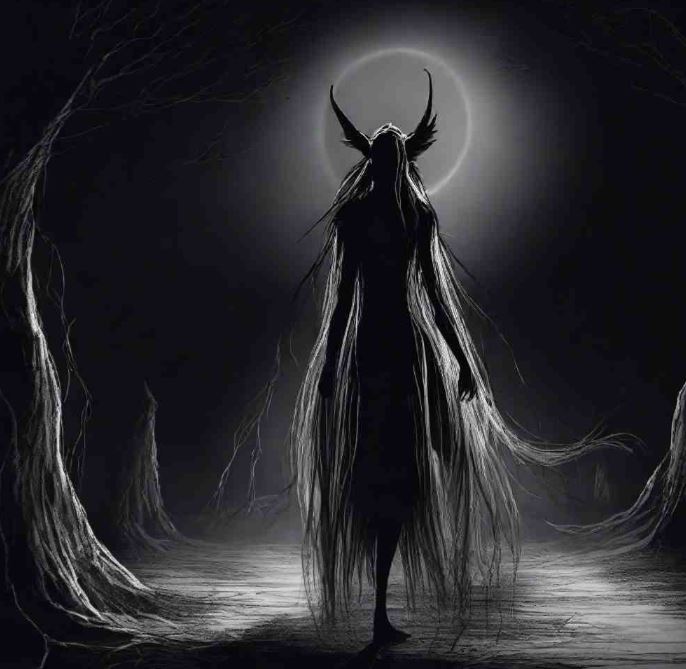
"Tawong Lipod" is an ancient term in Philippine mythology referring to invisible wind creatures. At first, they were thought to be friendly female spirits linked to clouds and water in Bicolano culture. But over time, they transformed into malicious beings known as Engkanto. Originally described as slender and beautiful, able to control winds, they are now depicted as dark and harmful invisible creatures. In today's Philippines, Tawong Lipod is often shown in a negative light in horror stories, causing sickness and trouble for people instead of being seen as kind spirits. In old Ibalong some of the heroes such as Baltog was descended from the Tawong lipod thus having divine origin.

TAWONG LIPOD-  as a general term for invisible mythological creatures like fairies, nymphs, giants, elves, etc. 


Tuesday, February 20, 2024

REMINDER AND DISCLAIMER ABOUT THIS BLOG

 So many stories of Bicol stories and mythologies are orally passed down about Aswangs, Tawong lipod,re told in contemporary Bicol to this day.. Specially of Aswangs and Tawong Lipod and other creatues. If you search of youtube there are a lot of stories about Tawong lipod and other Aswangs

Orally transmitted stories undergo variations and evolve over time, resulting in numerous different versions. There are many different version told by Filipinos,and retold by Filipinos. It is a dynamic narrative tradition that evolves over time, distinct from the standardized mythologies found in Western and European cultures. Unlike these established mythologies, the Philippine government has not mandated standardized versions of stories and legends.


Why Philippine mythology might be confusing for foreingers

 Foreigners often find it challenging to grasp the dynamic nature of Filipino mythologies, given their evolution through oral traditions over time. This difficulty arises because many foreigners may be confined by their Western worldviews, which often perceive stories as static and should be "copy-pasted" without alterations.

The richness of Filipino mythologies lies in their ability to adapt and change as they are verbally transmitted across generations. Unlike the more rigid approach to storytelling in some Western cultures, Filipino myths are dynamic, allowing for variations, reinterpretations, and regional nuances. This dynamic evolution reflects the diverse cultural tapestry of the Philippines and the fluidity inherent in oral traditions.

For foreigners accustomed to a more fixed narrative structure, understanding the ever-changing nature of Filipino mythologies may pose a challenge. The emphasis on flexibility and adaptability in oral storytelling contributes to the uniqueness and vibrancy of these myths, a departure from the Western notion of narratives being set in stone.


The previous Translator of this blog was and repeatedly harassed and contacted by a Canadian man. Intimidation and harasment tactics, also posting underaged photos of the translator online without permission. We do not know the intentions of the Canadian man why he keeps contacting the translator of this blog, repeatedly and obessively to the point of posting underaged photos online. 


Also please don't harass bloggers if they post something that does not align with your own world views. Keep in mind Some of them are underaged when they started  blogging. stop intimidation, defamation and harassment of bloggers by foreigners.


We do not Sell anything on this blog. 

We do not enforce anything on this blog.


REMINDER

The orally transmitted mythology of the Philippines is intended for sharing and understanding, not for appropriation, commercial exploitation, or the promotion of foreigners and foreign products.  It is a dynamic narrative tradition that evolves over time, distinct from the standardized mythologies found in Western and European cultures. Unlike these established mythologies, the Philippine government has not mandated standardized versions of stories and legends.

Orally transmitted stories undergo variations and evolve over time, resulting in numerous different versions. There are many different version told by Filipinos,and retold by Filipinos.