 |
| Tagalog gods and goddesses |
Bicol is a Treasure Trove of Gods and Goddesses, but Tagalog Dominates Philippine Mythology
The Philippines is a nation with a rich and diverse interwoven and synchronized mythologies, each region contributing its unique stories, deities, and spiritual beliefs. Among these, Bicol stands out as a treasure trove of gods and goddesses. The Bicolanos have their own pantheon of deities that reflect their deep connection to the forces of nature, their worldview, and the values they uphold. Gods like Gugurang, the supreme deity of Bicol who controls fire and protects humanity
However, despite the richness of Bicol's mythological tradition, the more dominant culture in the Philippines remains the Tagalog.
The Tagalog pantheon is expansive, with a blend of gods and goddesses that represent natural elements, celestial bodies, and human experiences.
 |
| Hana Mayari Tala |
Over time, many of these deities have been either forgotten, remembered in fragments, or syncretized with Catholicism. The influence of colonization led to a blending of indigenous beliefs with Christianity, resulting in the coexistence of ancient gods alongside Christian saints in the folk consciousness of Filipinos.
Philippine mythology has been retold and reshaped by the influence of the dominant Tagalog culture, the regional mythologies persist, passed down through oral traditions, stories told by elders, and modern reimaginings.
Ultimately, whether ancient or contemporary, remembered or forgotten, these myths and deities remain undeniably Filipino, woven into the fabric of the nation’s identity. Through tales of gods and goddesses, Filipinos continue to explore their collective history, values, and connection to the divine, keeping their cultural heritage alive in the face of modernity.
Ancient Tagalog deities
Bathala Maykapal – The supreme god and creator of the universe, the Diwata of the Anitos also known by names like Anatala, Molayare, and Diwata. He rules over everything and sends anitos (spirits) to help humans with different tasks like farming, war, or traveling. Early Tagalogs also used "Bathala" to refer to omens, celestial bodies, and even animals like crows or alligators. In modern times, Bathala is often used to refer to the Christian God.
.jpeg) |
| Bathala |
Arao (Sun) – The ancient Tagalogs admired the sun for his beauty. When it rained while the sun was shining, and the sky turned red, they believed the spirits (anitos) were fighting. During this time, people stayed indoors in fear. During a solar eclipse (limlim), they said the sun covered its face, but no special ceremonies were performed, unlike for lunar eclipses.
 |
| Araw |
Buan (Colalaiyng) – The luminous pale moon, worshiped by ancient Tagalogs, especially during the new moon. People prayed to the moon for wealth, health, long life, and other desires. The moon was also called "Dalagang nasa Buwan" (Maiden in the Moon) because of a shadow that resembled a young woman's face. The Moon Fair and lovely
%20(11).jpeg) |
| Buan - Dalagang Nasa Buwan |
 |
| Balacbac & Balantay |
Amanicable – A protector of hunters. In Tagalog tradition, children gave their parents names, like "father of" or "mother of," so Amanicable may have been a title linked to other deities.

.jpeg) |
| Haik |
.jpeg) |
| Diyan Masalanta |
.jpeg) |
| Barangaw |
.jpeg) |
| Lakapati |
.jpeg) |
| Balinsangay |
.jpeg) |
| MeyLupa |
Amansinaya – The protector of fishermen. Before fishing, people would pray to Amansinaya, asking for a good catch. The name means "Father of Sinaya," which refers to the first catch from a fishing net.
 |
| Aman Sinaya |
 |
| Lingga |
 |
| Mapulon |
 |
| Apolaki |
.jpeg) |
| Lakapati |
Idianali – Goddess of labor and good deeds, wife of Dumangan, and mother of Dumakulem.
 |
| Idyanale |
 |
| Dumangan |
 |
| Anagolay |
.jpeg) |
| Mapulon |
Anitun Tabu – Changeable goddess of wind and rain, derived from the Sambal deity Anitun Tauo.
.jpeg) |
| Anitung Tabu |
 |
| Dumakulem |
Sitan – Chief deity of Kasanaan (a realm of grief), assisted by various agents.
 |
| Sitan |
 |
| Mayari |
 |
| Tala |
 |
| Hana |
Tagalog mythology pantheon
Idianali – Goddess of labor and good deeds, wife of Dumangan, and mother of Dumakulem.
Dumangan – God of good harvest, husband of Idianali, and father of Dumakulem.
Amanikabli – Gruff ruler of the sea, a blend of Amanikable (spirit of hunters) and Kablay, a man turned into a shark for refusing to help a sea spirit.
Dumakulem – Strong hunter and guardian of mountains, son of Idianali and Dumangan.
Anitun Tabu – Changeable goddess of wind and rain, derived from the Sambal deity Anitun Tauo.
Mayari – Goddess of the moon, daughter of Bathala and a mortal, linked to the Kapampangan goddess of the same name.
Hana – Goddess of the morning, daughter of Bathala and a mortal, inspired by the Visayan hero god Hanan.
Tala – Goddess of the stars, daughter of Bathala and a mortal.
Ikapati – Goddess of cultivated land, wife of Mapulon, and mother of Anagolay. Initially described as possibly male in historical texts.
Mapulon – God of seasons, husband of Ikapati, and father of Anagolay.
Anagolay – Goddess of lost things, wife of Dumakulem, and mother of Apolaki and Dian Masalanta.
Apolaki – God of the sun and patron of fighters, son of Dumakulem and Anagolay, and brother of Dian Masalanta.
Dian Masalanta – Goddess of lovers, daughter of Dumakulem and Anagolay.
Sitan – Chief deity of Kasanaan (a realm of grief), assisted by various agents.
Agents of Sitan:
- Mangagauay – Causes diseases.
- Manisilat – Goddess of broken homes.
- Mankukulam – A shape-shifting witch who causes illness.
- Hukluban – A powerful witch who can transform and heal.
Priestly agents of environmental gods:
- Silagan – Tempts people and takes their souls.
- Mananangal – A fearsome spirit who frightens people to death.
- Asuan – A nocturnal spirit who harms men.
- Mangagayuma – A witch who creates love charms.
- Sunat – A high priest.
- Pangatahuyan – A soothsayer.
- Bayuguin – Tempts women into shameful lives and includes transgender and transvestite priests of the ancient Tagalogs.
Arao (Sun) – The ancient Tagalogs admired the sun for its beauty. When it rained while the sun was shining, and the sky turned red, they believed the spirits (anitos) were fighting. During this time, people stayed indoors in fear. During a solar eclipse (limlim), they said the sun covered its face, but no special ceremonies were performed, unlike for lunar eclipses.
Alagaca – A spirit that protected hunters.
Alpriapo – A mysterious idol mentioned by Spanish chroniclers. Its real Tagalog name was unknown, and it may have referred to Dian Masalanta.
Amanicable – A protector of hunters. In Tagalog tradition, children gave their parents names, like "father of" or "mother of," so Amanicable may have been a title linked to other deities.
Amansinaya – The protector of fishermen. Before fishing, people would pray to Amansinaya, asking for a good catch. The name means "Father of Sinaya," which refers to the first catch from a fishing net.
Badhala Catotobo – A spirit born with a person to protect them throughout life. Later, Catholic missionaries called this a guardian angel.
Balacbac & Balantay – Guardians of Tanguban, the place where souls went after death. Tanguban had two areas: one for good souls, full of joy, and another for bad souls, full of suffering.
Balangao (Rainbow) – The ancient Tagalogs saw the rainbow as divine. It was considered Bathala’s bridge or clothing. They believed that pointing at the rainbow was blasphemous.
Balatic – A constellation of stars seen as a crossbow.
Balo – Spirits that haunted deserted places.
Bathala mei Capal – The supreme being, creator, and ruler of the universe. Bathala was associated with many other deities who served under him, each with specific roles.
Bibit – A deity associated with disease. People believed that Bibit was sick, and offerings were made to heal this deity before a sick person could recover.
Bingsol – The protector of farmers.
Biso – A figure described as the "police officer" of heaven.
Boking – Another lesser-known spirit.
Bulac-pandan (Flower of Pandan) – A flower associated with the pandan plant.
Bulactala (Flower of Tala) – The spirit of the planet Venus.
Capiso Pabalita (News-giving) – The protector of travelers.
Cirit/Zirit (Snake's hiss) – A servant of the spirits (anitos).
Dian Masalanta – The goddess of love and procreation, possibly meaning "the blind deity" or "devastating deity."
Dingali – A type of family spirit.
Guinarawan – An evil spirit.
Guinoong Dalaga (Lady Maiden) – The spirit of crops.
Guinoong Ganay (Lady Old Maid) – The protector of single women.
Guinoong Panay – The spirit of the kalumpang tree.
Guinoong Pagsohotan (Clothing Lady) – The protector of women in labor.
Hasangan – A fearsome spirit.
Húya/Tumanor – An idol that caused fear, prompting people to throw ashes and shout at it.
Ídianale – A female spirit associated with farming.
Lacambini/Lacandaytan – The protector of the throat and advocate against throat ailments.
La Campinay – The old midwife.
Lacan Balingasay – A spirit compared to Beelzebub by early Christian missionaries.
Lacapati – The major fertility deity, represented by a joined man and woman. He was called upon for blessings on crops and fishing.
Lachanbacor – A deity of fruits and protector of fields, depicted as a hollow statue with gold eyes and teeth. People made offerings to him during harvests.
Macapulao (Watcher) – The protector of sailors.
Macatalubhay – The spirit of bananas.
Mancocotor (Coconut Palm Protector) – The advocate for coconut tappers, protecting them before they climb trees.
Magináong Sungmásandāl – The lord who keeps close.
Maguinoong Campongan (Harvest Spirit) – The spirit of harvested fields.
Mapolon (Pleiades) – Associated with the star cluster.
Quinon sana – The supreme deity of mountaineers, god of fields and jungles, to whom food sacrifices are made for protection.
Paalolong (Barker) – The advocate for the sick and deceased.
Paglingñalan – The protector of hunters.
Pagvaagan – The spirit of the winds.
Pilipit (Spiral) – A deity associated with oaths, believed to devour those who lie.
Posor-lupa (Earth Navel) – The spirit of the fields.
Sayc (Sea Spirit) – The protector of seamen, invoked for safety during voyages.
Siac Matanda (Old Sheikh) – The advocate for merchants and second-hand dealers.
Siukuy (Water Ghost) – The river spirit, often depicted as a sea monster in folklore.
Tala – The spirit associated with the planet Venus.
Tauong Damo (Wicked Mountain Gods) – Fearsome spirits believed to cause abortion and inspire terror among the Tagalogs.
Other mythological figures
Bernardo Carpio – A legendary giant and demigod king trapped between two mountains. His attempts to free himself cause earthquakes. It's said that once he breaks free, his people will be liberated. Filipino heroes Jose Rizal and Andres Bonifacio were inspired by this legend.

Maria Makiling – The diwata (spirit) of Mt. Makiling.
 |
| Diwata Maria Makiling and her Lambana |
Palangíyi – The mythical king of the Tagalog people, associated with rainbows.
Balitóc – A legendary witch, possibly the spirit of a famous priestess.
Primordial Kite – A creature whose actions caused the creation of islands by ending the war between the sky and the sea.
God of Vices – A rival of Bathala.
Sidapa – The god of war, also known for turning a servant into a rooster for failing to wake him early.

Amansinaya – Goddess of fishermen.
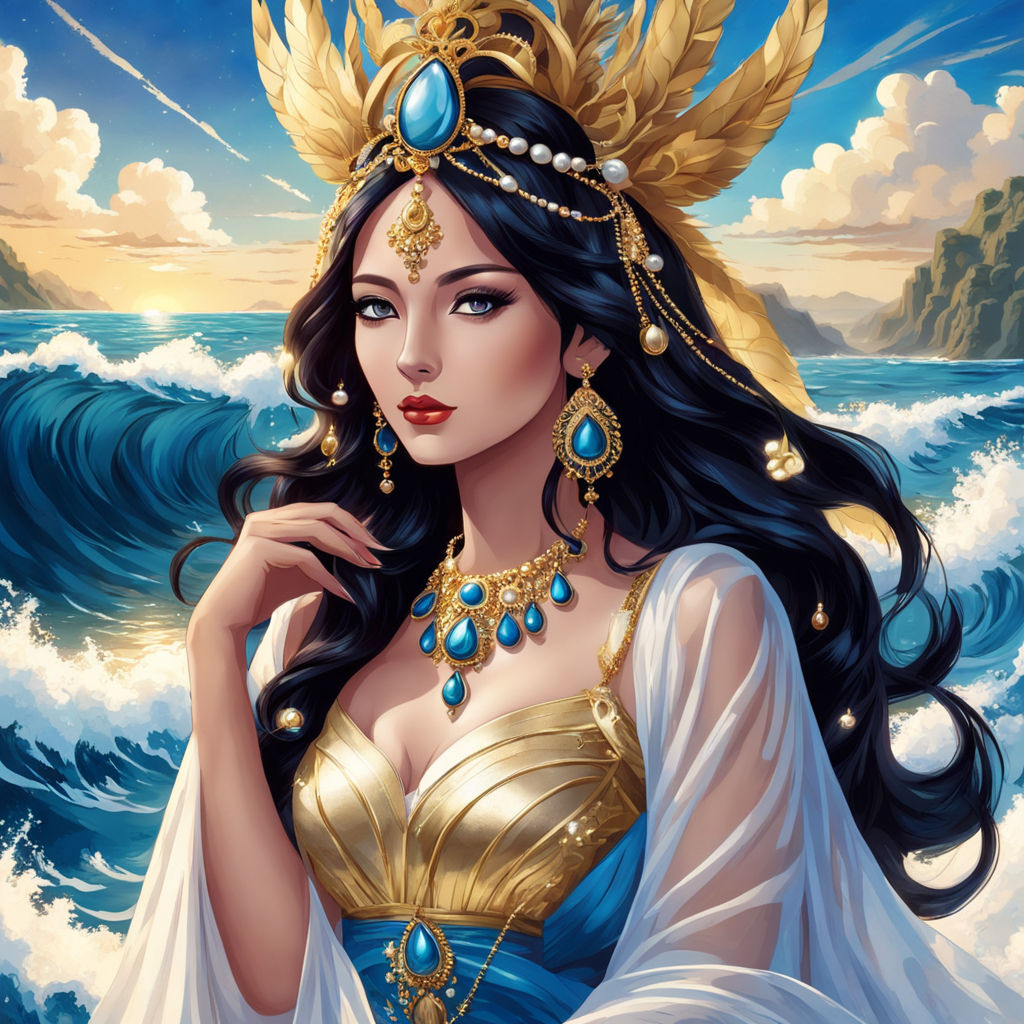
Amihan – A gentle wind deity, daughter of Bathala, who plays half of the year.

Habagat – Amihan’s brother and a powerful wind deity, who plays the other half of the year.

Sinukan – Tasked her lover, Bayani, to build a bridge.
.jpeg) |
| Maria Sinukuan |
Bayani – Failed to complete the bridge and was engulfed by a stream caused by Sinukan's wrath.
Ulilangkalulua – A giant flying snake defeated by Bathala.
Galangkalulua – Bathala’s winged companion, whose death led to the creation of the first coconut tree.
Bighari – The flower-loving goddess of the rainbow, daughter of Bathala.
Liwayway – Goddess of dawn, daughter of Bathala.
Tag-ani – God of harvest, son of Bathala.

Kidlat – God of lightning, son of Bathala.

Hangin – God of wind, son of Bathala.

Bulan-hari – A deity sent by Bathala to help the people of Pinak, who can command rain.

Bitu-in – Bulan-hari’s wife, also sent by Bathala to aid the people of Pinak.

Alitaptap – Daughter of Bulan-hari and Bitu-in, who became a firefly after a star on her forehead was struck.
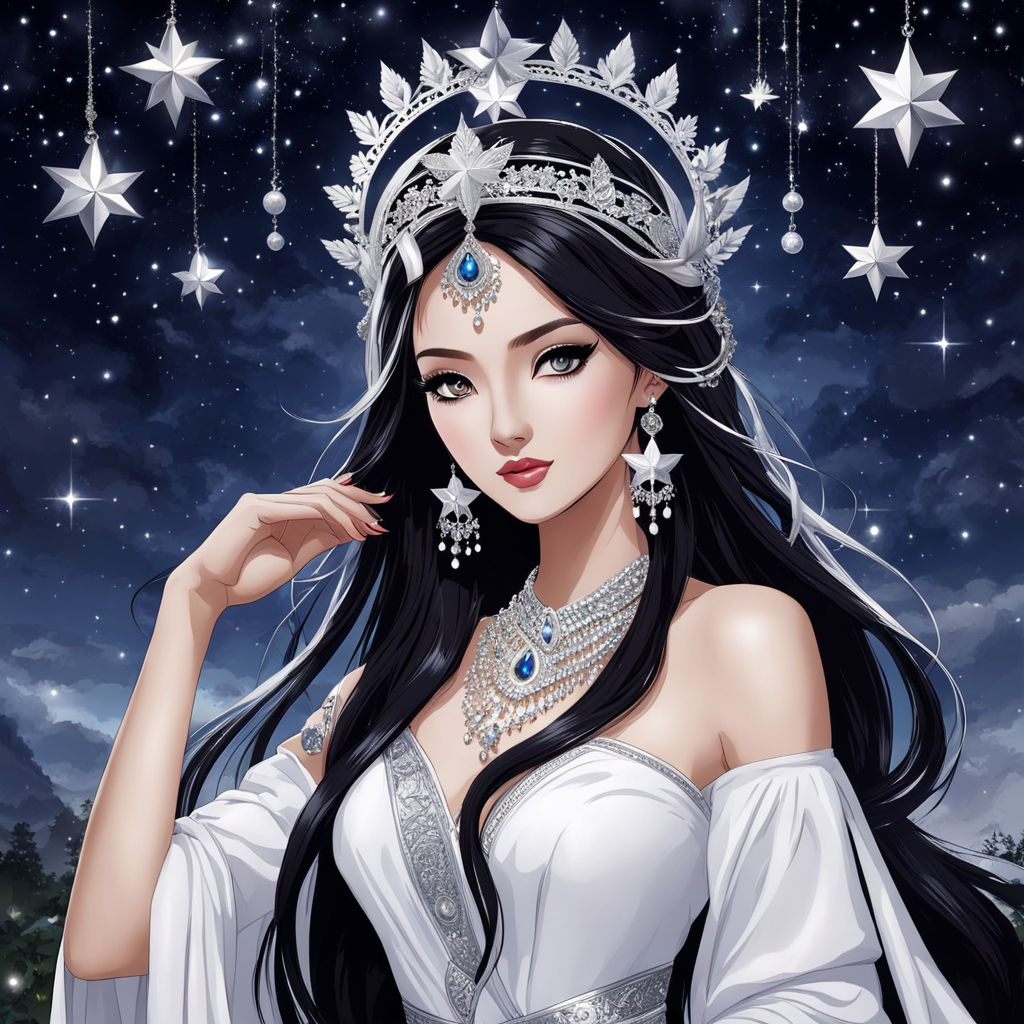 |
| Alitaptap Tagalog mythology |
Sawa – A deity who appeared as a giant snake in a cave-temple.
Rajo – A giant who stole the wine formula from the gods, leading to a conflict with the moon that caused lunar eclipses.
Moon God – The night watchman who reported Rajo’s theft, causing an eclipse.
 |
| Moon god Tagalog mythology |
Nuno – The spirit of Taal Mountain, who forbids agriculture at its summit.
Hari sa Bukid – A king who forbids farming on his mountain unless his people prove their hard work.
Great Serpent of Pasig – A giant serpent who created the Pasig River in exchange for the souls of merchants.


