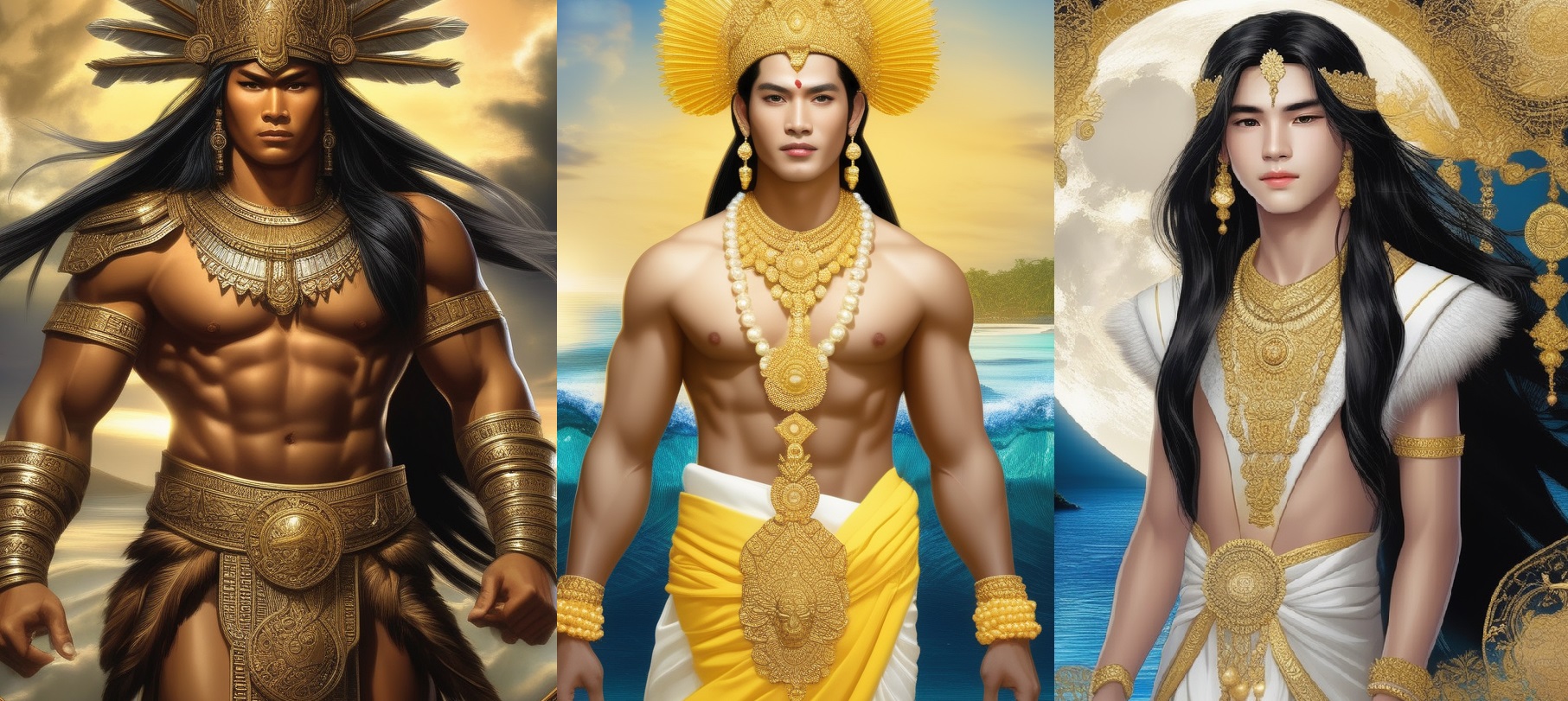
Showing posts with label Tubigan. Show all posts

Sunday, December 10, 2023

The Nightsky of Bicol


In ancient times, the heavens served as both a map and a mystery for humanity. The celestial bodies — stars, planets, comets, and meteors — inspired observation, myth, and attempts at explanation. The planets, distinct in their wandering paths across the sky, contrasted with the relatively fixed positions of the stars. Venus, with its brilliance, became the most easily identifiable and frequently discussed celestial object. Seasonal changes, tides, winds, and rain were closely tied to these celestial observations, shaping life and language in profound ways.

In old Bicol , the night sky, moon, and stars were objects of fascination and romantic longing for various reasons. These celestial bodies held spiritual and mythological significance, serving as navigational tools for seafarers, influencing agricultural practices, marking cultural events, and inspiring romantic themes in traditional folklore and oral storytelling. The celestial elements played a vital role in daily life, contributing to the rich cultural heritage of both modern and indigenous people and shaping their worldview.

Venus: The Morning and Evening Star

Venus was often perceived as two different celestial bodies: the morning star and the evening star. This perception stemmed from its orbital pattern relative to the sun. When Venus trails the sun, it appears after sunset as the evening star. Conversely, as it moves faster in its orbit and overtakes Earth, it becomes visible before sunrise as the morning star.

  • In Bikol Language:
    The term nagsubรกng is used for Venus as the morning star, derived from subรกng, meaning "to rise" in the east. Additionally, makakadamlรกg refers to Venus when it shines through the night.

  • In Tagalog:
    The star tala is identified as Venus, specifically as the morning star. This identification is consistent with descriptions found in early Tagalog lexicons.

  • In Waray and Cebuano:
    In Waray, Venus is referred to as bituหˆon sa kaagahan (“the morning star”) and kapanosan. Similarly, in Cebuano, the terms makabanglos and kabugason are used, both indicating Venus as the morning star.


In pre-colonial Philippines, the night sky, moon, and stars held a profound significance and were objects of fascination and romantic longing for several reasons:

Spiritual and Mythological Significance (Bicol)

   - Pre-colonial Filipino societies had animistic beliefs, and they often associated celestial bodies with deities and spirits. The moon and stars, in particular, were believed to have divine qualities and were sometimes linked to creation myths and epic narratives. In Bicolano mythology the night sky was considered by many as the vast Celestial ocean, realm of the deity Tubig (Tubigan) and all the ancient Swimming monsters

 Navigation and Timekeeping:

   - The indigenous peoples of the Philippines were skilled seafarers and traders. The night sky served as a natural navigational tool for maritime activities. The position of the stars and the phases of the moon were used to determine direction, helping seafarers navigate the vast archipelago.

  Agricultural Practices

   - The pre-colonial Filipinos were primarily agrarian communities, and celestial events were often linked to agricultural practices. The phases of the moon, for instance, were essential for determining planting and harvesting seasons, as well as for other agricultural activities.

Cultural and Festive Observations

   - Celestial events often marked important cultural and festive occasions. The cycles of the moon, for instance, might be associated with the timing of rituals, celebrations, and festivals. The appearance of certain constellations might be linked to specific cultural practices.
Bulan at Haliya

Symbolism and Romanticism:
   - The moon and stars held symbolic meanings, representing love, beauty, and inspiration. The night sky became a canvas for poets and storytellers, and its beauty inspired romantic themes in traditional folklore, songs, and poetry.

Oral Tradition and Storytelling
   - In the absence of a written language, the pre-colonial Philippines relied heavily on oral traditions for passing down knowledge, stories, and cultural values. The night sky, with its celestial bodies, became a source of inspiration for myths, legends, and stories that were orally transmitted from one generation to the next.

Connection to Everyday Life
   - The movements of the moon and stars influenced daily activities, from timekeeping to religious rituals. Observing the celestial bodies provided a sense of order and connection to the broader cosmos, fostering a deep appreciation for the natural world.

The night sky, moon, and stars, therefore, played a multifaceted role in old Bicol  societies, serving as sources of guidance, inspiration, cultural identity, and romantic symbolism. The celestial elements were intricately woven into the fabric of everyday life, shaping the worldview and cultural expressions of the indigenous people in the Philippines.

Haliya goddess of moonlight


 astronomical terms found on Vocabulario de la lengua 

Compiled Jeremiah Cordial ❤️


๐— ๐—ฎ๐—ด̃๐—ป๐—ฎ ๐—ฌ๐—ฎ๐—ฟ๐—ฎ๐—ผ๐—ป ๐˜€๐—ฎ ๐—Ÿ๐—ฎ๐—ด̃๐—ป๐—ถ๐˜  Astronomical terms in Bikol based on Vocabulario de la lengua Bicol by Maล•cos de Lisboa (d. 1628)


๐—ฆ๐—ฎ๐—น๐—ฑ๐—ฎ๐—ป๐—ด- (or Aldaw) the Sun, its brightness and heat.

๐—•๐—ถ๐˜๐—ผ๐—ผ๐—ป- star. A big star is called ๐—ก๐—ฎ๐—ด๐˜€๐˜‚๐—ฏ๐—ฎ๐—ป๐—ด, literally referring to the emitted light from the sun. A particular star called ๐—ฃ๐—ผ๐—ด๐—ผ๐˜ is used as a sign of coming typhoon, while a particular group of three stars called ๐—ง๐—ผ๐—ฟ๐—ผ๐—ป๐—ด is used as a sign for typhoon season or impending storm. A group of stars are called ๐—ฆ๐—ฎ๐—ป๐—ด๐—ฏ๐—ถ๐˜๐—ผ๐—ผ๐—ป.

๐—ฃ๐—ฎ๐—ด๐—น๐—ผ๐—ป๐—ด- the Southern Cross constellation.

๐—Ÿ๐˜‚๐—ฏ๐—ฎ๐—ป๐—ด- the three stars found on Orion's belt.

๐— ๐—ผ๐—ฟ๐—ผ๐—ฝ๐—ผ๐—ฟ๐—ผ- Pleiades, or a cluster of stars.

๐—ฆ๐˜‚๐˜„๐—ฎ๐—ด- quadrangle of stars, used as a sign of midnight.

๐— ๐—ฎ๐—ธ๐—ฎ๐—ธ๐—ฎ๐—ฑ๐—ฎ๐—บ๐—น๐—ฎ๐—ด- Venus, first believed to be a star.

๐—•๐˜‚๐—น๐—ฎ๐—น๐—ฎ๐—ธ๐—ฎ๐˜„- comets and asteroids.

๐—ž๐˜‚๐—น๐—ผ๐—ฝ- solar or lunar eclipse.

๐— ๐—ฎ๐—ด̃๐—ป๐—ฎ ๐—ฌ๐—ฎ๐—ฟ๐—ฎ๐—ผ๐—ป ๐˜€๐—ฎ ๐—Ÿ๐—ฎ๐—ด̃๐—ป๐—ถ๐˜ - Phases of the moon and words related to earth, tide, and night. Based on 1950 Kalendaryong Bikol and Notes from Vocabulario de la Lengua Bicol.¨


๐—•๐˜‚๐—น๐—ฎ๐—ป- the moon, the natural satellite of planet Earth.

๐—•๐—ถ๐—น๐—ผ๐—ด- full moon. Written as ๐——๐—ฎ๐—ฟ๐—ฎ๐—บ๐—น๐—ฎ๐—ด๐—ผ๐—ป by Lisboa which lasts the whole night.

๐—š๐—ถ๐—บ๐—ฎ๐˜๐—ฎ- new moon. Written as ๐—–๐—ฎ๐—ฏ๐—ถ๐—น๐—ผ๐—ด๐—ฎ๐—ป ๐—ป๐—ฎ ๐—ฑ๐—ผ๐—น๐—ผ๐—บ by Lisboa which happens five to six days. ๐—ก๐—ฎ๐—ด๐—ถ๐—บ๐—ฎ๐˜๐—ฎ means to become a new moon.

๐—ฃ๐—ฎ๐—ถ๐—ป๐—ฎ- waning moon. ๐—ฃ๐—ฎ๐˜€๐˜‚๐˜€๐—ฏ๐—ฎ๐—ป๐—ด๐—ผ๐—ป also means the same but takes longer in coming/fading out (from the word subang, to emit light).

๐—ฃ๐—ฎ๐—ฑ๐—ฎ๐—ธ๐˜‚๐—น๐—ฎ- waxing moon.

๐—ง๐—ถ๐—ป๐—ด๐—ฎ๐—ฟ๐—ฎ๐—ธ๐—ผ๐—น- the tide rising as the moon becomes bigger. Also written as ๐—Ÿ๐˜‚๐—ฏ๐—ฎ๐—ด by Lisboa. I usually hear this word spoken as "tignarakol" but Lisboa spells it Tig̃narakol.

๐—ž๐˜‚๐—ฏ๐—ผ๐˜€- the tide decreasing as the moon becomes smaller. Also written as ๐—จ๐—ฟ๐—ผ๐—ป๐—ด by Lisboa. When the tide stops ebbing, ๐—”๐˜†๐—ฎ๐—ฎ๐˜† is used.

๐——๐—ผ๐—น๐—ผ๐—บ- refers to the darkness when the moon is no longer seen above the sky.

๐—ž๐—ฎ๐˜๐—ถ- refers to the sun rising when the moon is still in its last quarter, as in ๐—บ๐—ฎ๐˜† ๐—ธ๐—ฎ๐˜๐—ถ ๐—ป๐—ฎ ๐—ฎ๐—ป ๐—ฏ๐˜‚๐—น๐—ฎ๐—ป. The word ๐—ž๐˜‚๐—น๐—ฎ๐˜ is also used when the sun rises while the moon slowly disappears early in the morning.

๐—ž๐—ถ๐—ป๐—ฎ๐—ฏ๐—ฎ๐—ป- the Earth.

๐——๐—ฎ๐—ป๐—ด๐˜†๐—ฎ๐—ฝ- the moon or sun when covered by the clouds, dimming their light.


Tuesday, September 2, 2014

The Cosmic Tragedy and the Genesis of Humanity Bicolano Mythology

The Cosmic Tragedy and the Genesis of Humanity


In the distant past, when nothing but the void enveloped the universe, the great sea emerged, accompanied by the vast expanse of the endless skies. Within this cosmic realm, gods and mythical beings held dominion over their respective domains. This essay explores the mythical narrative of creation, family betrayal, divine punishment, and the emergence of humanity from the remnants of a cosmic tragedy.


Daga, Adlao,Bulan


The kingdom of the skies was ruled by the great god Languit, while the vast expanse of water was under the sovereignty of Tubigan. Languit had a daughter named Dagat, the personification of the sea, who became the wife of Paros, the wind, the son of Tubigan. Together, Dagat and Paros bore four children - Daga, Aldao, Bulan, and Bitoon. Each child possessed unique attributes, with Daga embodying strength, Aldao radiating joy, Bulan exhibiting submissiveness, and Bitoon graced with pure silver beauty.


The Betrayal of the Winds:


After the demise of their father Paros, Daga, the eldest son, assumed control of the winds. Ambitious and power-hungry, Daga convinced his younger brothers, Bulan and Aldao, to join him in attacking the kingdom of Languit. The brothers, initially hesitant, succumbed to Daga's anger and embarked on their expedition, attempting to breach the gates of the sky.


Cosmic Consequences:


Their attack proved disastrous, as the enraged Languit unleashed three bolts of lightning upon them. Struck by divine wrath, Bulan's copper body melted into a ball, Aldao's golden body met a similar fate, and Daga's body fell into the sea, becoming the earth. Meanwhile, Bitoon, upon discovering the absence of her brothers, met the same fate when Languit struck her with lightning, breaking her body into countless pieces.


Divine Regret and the Genesis of Humanity:


Grief-stricken, Languit descended from the sky and accused Tubigan of aiding their grandsons in the ill-fated attack. Tubigan, however, defended himself, claiming ignorance as he was asleep in the depths of the sea. In remorse, both gods wept over the loss of their grandchildren. Unable to revive them, Languit and Tubigan bestowed light upon each body. Tubigan then planted a seed, yielding a bamboo tree from which emerged the first man and woman, becoming the progenitors of the human race.


The Punishment of Maisog:


Among their descendants was Maisog, who invented a fish trap and, in an act of defiance, ordered his people to worship a massive whale, mistaking it for a god. The gods from the sky appeared, commanding Maisog to cease worship and release the whale. Maisog defied them, leading to Languit striking him with lightning, stunning him. The scattered people were punished, becoming the diverse races inhabiting the earth.


The mythical narrative of creation, betrayal, and divine punishment underscores the complexities of ancient Filipino cosmology. From the tragic demise of the winds and the beautiful Bitoon to the emergence of humanity from the remnants of cosmic sorrow, this myth provides insights into the cultural and moral values of the people. Despite the cosmic tragedy, the emergence of humanity symbolizes resilience and the continuation of life, marked by diversity and interconnectedness.

Sunday, August 31, 2014

Dagat - Bikolano goddess of the primodial sea


Goddess of the sea and waters

Dagat is the goddess of sea and waters


In the ancient realm where the void gave way to the sea and skies, a divine tale unfolded, weaving together the forces of nature, love, and the birth of a god. At the heart of this celestial drama stood Dagat, the divine embodiment of the seas and oceans. As the daughter of Laguit, the goddess of water, and the wife of Paros, the wind, Dagat held a unique position in the pantheon of gods, shaping the very fabric of the cosmos.


The Divine Union of Dagat and Paros:


Dagat and Paros, ruled over the skies and the seas in perfect harmony. Their union symbolized the delicate dance between the elements, a cosmic ballet that brought balance to the universe. Love, the strongest force even among the gods, bound them together. Some believe their love was so profound that it surpassed the immortality of deities, leading to their tragic demise. Others hold a different belief, suggesting that after fulfilling their divine duties, Dagat and Paros found contentment and chose to rest eternally in the embrace of the sky and sea.


The Children of Dagat and Paros:


From the union of Dagat and Paros, four divine children were born—three boys named Daga, Aldao, and Bulan, and one girl named Bitoon. Each child represented a unique aspect of the natural world. Daga embodied strength, Aldao radiated joy, Bulan displayed humility, and Bitoon shone with pure silver beauty. Their existence intertwined with the destinies of the earth, the moon, and the sky, reflecting the interconnectedness of the divine realm.


The Birth of Magindang:


Following the mysterious slumder of Dagat and Paros, a new deity emerged from the waters—Magindang. spawed from the sea and wind, Magindang carried the legacy  inheriting the responsibilities of maintaining the delicate equilibrium between the sky and the seas. Magindang became a symbol of continuity,and richness of the sea prayed to for a bountiful catch he is also invoked for protection in the sea and from enemies. embodying the cyclical nature of life and the perpetual interplay of elements.


Long ago, when the world was a canvas of void, the emergence of the seas and skies introduced a dynamic landscape populated by beasts and monsters. Languit, the great god, ruled the skies, while Tubigan reigned over the vast expanse of water. The union of Dagat and Paros brought forth a divine family that played vital roles in shaping the world and its wonders.


The story of Dagat, the divine embodiment of the seas, and her union with Paros, the wind, is a testament to the profound forces that govern the natural world. Their love and the legacy of their divine children, along with the emergence of Magindang, paint a cosmic tapestry that reflects the delicate balance between the sea and sky. In exploring this myth, we uncover a timeless narrative of love, loss, and the eternal interplay of elements that shape the world around us. Dagat remains an enduring symbol, a goddess whose influence ripples through the ages, connecting the realms of gods and mortals in a harmonious dance of existence.


Dagat Bicolano goddess of the sea


REMINDER

The orally transmitted mythology of the Philippines is intended for sharing and understanding, not for appropriation, commercial exploitation, or the promotion of foreigners and foreign products. It is a dynamic narrative tradition that evolves over time, distinct from the standardized mythologies found in Western and European cultures. Unlike these established mythologies, the Philippine government has not mandated standardized versions of stories and legends.

Orally transmitted stories undergo variations and evolve over time, resulting in numerous different versions. There are many different version told by Filipinos,and retold by Filipinos.


Thursday, August 28, 2014

Tubigan god of water and the sea


TUBIGAN


Tubigan: the god of the water and of water and the celestial ocean, ruled over all the swimming beast. He was the king of the oceans. ocean is also the source of life and immortality. It was from the ocean that gods and demons extracted the life. The ocean is the source of material abundance.

Tubigan, god of the sea (and of water generally)in Bicolano Mythology. The divine embodiment of the celestial ocean (night sky) and the seas of the earth . Believed to be Sleeping in the depths of the ocean near the crack to the underworld guarded by the lesser water deities and mermaids called Naga


Si Tubigan ang sinaunang diyos ng walang hangang dagat espiritual at ng dagat ng mundo. Naniniwala ang mga Bikolano na ang kalawakan ay ang dagat ng kaitaasan. Pinagmulan ng buhay, Si Tubigan ang naghahari sa dagat ng kalawakan at kaintaasan. Samantalang si Languiton ang naghahari sa kalangitan at bughaw na himpapawirin. Ang lahat ng mga halimaw na lumalangoy ay si tubigan ang panginoon.


TUBIGAN

In the ancient realm of nothingness, a divine sea, and boundless skies emerged, giving birth to the celestial ocean and the vast seas of the Earth. Among the gods who ruled over these realms, Tubigan stood as the sovereign deity of water, encompassing both the heavenly and earthly waters. Delve into the mythological tale of Tubigan, his family, and the creation of humanity, highlighting the intricate interplay between gods, the elements, and the genesis of life.

The kingdom of the sky fell under the rule of Languit, a powerful deity, while Tubigan claimed sovereignty over the waters. Languit's daughter, Dagat, the sea, married Paros, the wind, who was Tubigan's son. From their union, four divine children emerged – Daga, Aldao, Bulan, and Bitoon. Each child possessed unique attributes, reflecting the diverse nature of their elements. Daga embodied strength with a body of rock, Aldao exuded joyfulness with a golden form, Bulan, made of copper, displayed submissiveness, and Bitoon, adorned in pure silver, radiated beauty.

In some stories he is the father of Dagat (due to lack of written records some stories are cotradicting) Most orally passed down story agree that he is the father of Paros


TUBIGAN

In Bicolano Mythology, Tubigan is revered as the god of water, overseeing both earthly seas and the celestial ocean. As the ruler of all aquatic creatures, he holds the prestigious title of the king of the oceans. The ocean, seen as the origin of life and immortality, serves as a vital source from which gods and demons drew life. Additionally, it is considered a wellspring of material abundance. Tubigan, the god of the sea, is believed to embody the celestial oceans(night sky). Descending from the celestial realm, he gracefully plunges into the earthly oceans, symbolizing the connection between divine and earthly domains. According to the myth, Tubigan is thought to be in a peaceful slumber within the ocean's depths, close to the entrance to the underworld. This sacred location is protected by lesser water deities and mystical beings, including mermaids known as Naga.

Ambition of Daga

Upon Paros' demise, Daga, the eldest son, inherited control over the winds. Driven by arrogance and ambition, Daga sought to expand his dominion. He persuaded his brothers Bulan and Aldao to attack the kingdom of Languit in the sky. Initially hesitant, the brothers succumbed to Daga's anger and joined the ill-fated plot.


Rise againts the Heavens

The siblings embarked on a perilous journey, assaulting the gates of the sky. Daga, resorting to unleashing destructive winds, breached the gates, only to face the wrath of the enraged Languit. Lightning bolts struck them down – Bulan's copper form melted, Aldao's golden body dissolved, and Daga's body fell into the sea, becoming the earth.

Bitoon

Discovering the absence of her brothers, Bitoon went in search of them. Confronting the wrathful Languit, she, too, was struck by lightning, shattering her body into pieces. The tragedy unfolded as Languit accused Tubigan of aiding their grandsons in the ill-fated attack.

Creation

Descended from the sky, Languit and Tubigan lamented the loss of their grandchildren. Unable to revive them, they bestowed each body with a light. Tubigan planted a seed, giving rise to a bamboo tree. From its branch emerged a man and a woman, becoming the first parents of the human race.

The Creation of Humanity:

The first human couple bore three children, among them Maisog, who invented a fish trap. Mistaking a colossal whale for a god, Maisog ordered worship, defying divine commands. In response, Languit struck Maisog with lightning, stunning him. The scattered people became the ancestors of humanity, populating the Earth.


The myth of Tubigan, the god of the sea, presents a rich divine drama, tragedy, and the genesis of humanity. Through familial conflicts, divine retribution, and the creation of the first humans, this legend weaves a narrative that explores the complexities of elemental gods and their influence on the world. Tubigan, a symbol of the vast and mysterious oceans, remains a testament to the enduring power of myth in shaping cultural narratives and explaining the origins of the natural world.