Showing posts with label Bicolano gods. Show all posts

Sunday, September 22, 2024

Bicolano pantheon of gods

  Mga diyos at diyosa ng mitolohiyang Bicolano

Mga diwata ng Bikolandia

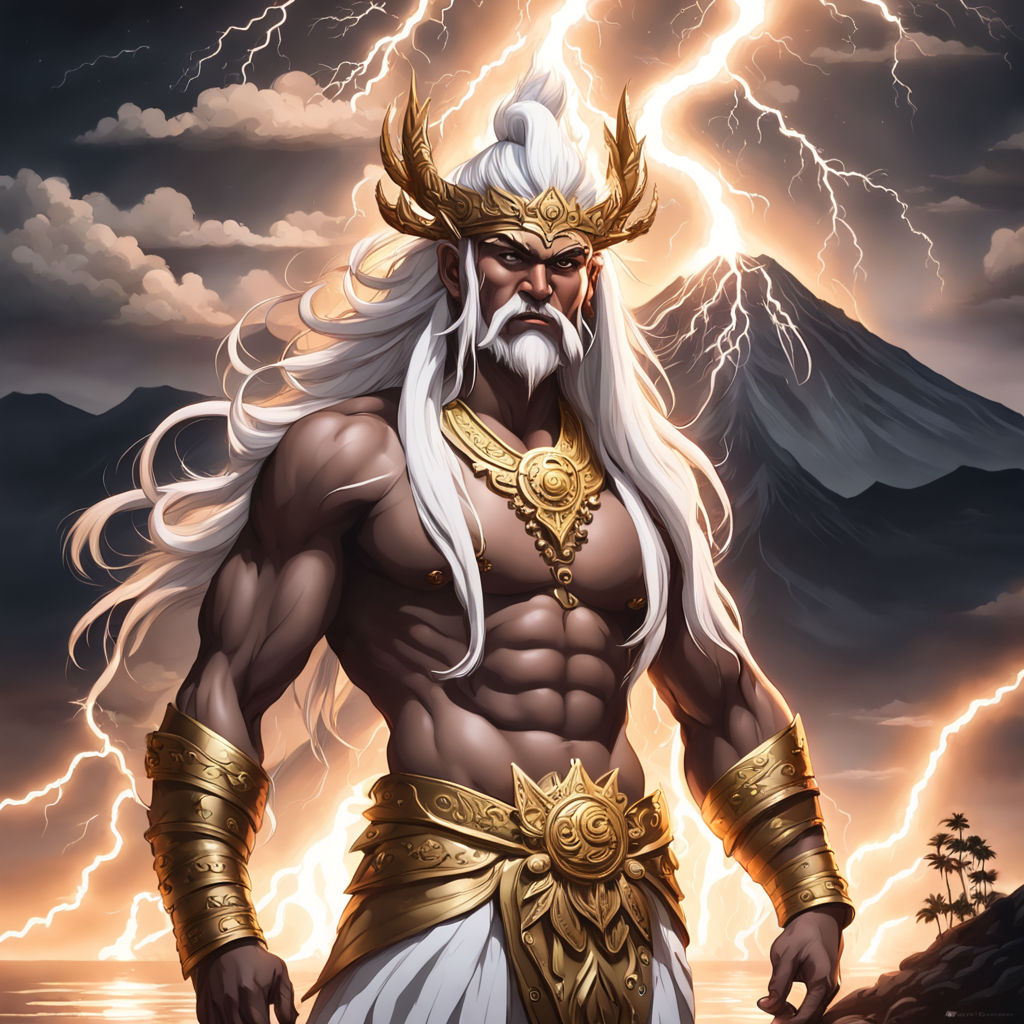
GUGURANG

Gugurang the Sumpreme deity in Bicol mythology, 

the god of the good that wields lightning, fire and light

Gugurang -  Supremo ng mga diyos, Diwata ng mga diwata, anito ng mga anito


ASUANG

Asuang the god of evil and chaos 

Asuang - Diwata ng Kasamaan at kaguluhan ang diyos ng mga Aswang 

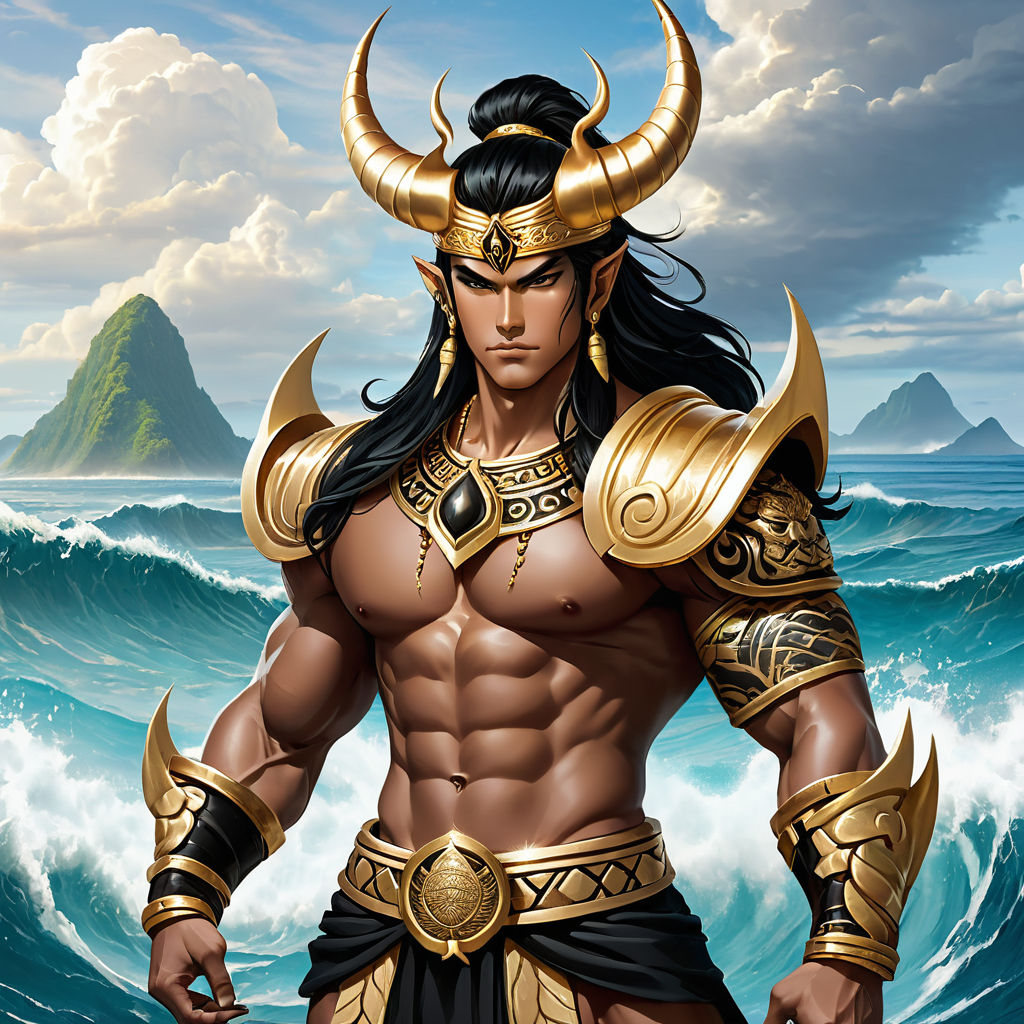
BACUNAWA

Bakunawa the deity of the deep and guards the ocean gates to the underworld 

Bakunawa - diwata ng kailaliman at bantay ng ibabang daigdig


LANGIT
 (Languit, Languiton or Kagurangan) 

Langit is the deity of the clear blue sky and of all the flying monsters and creatures

Langit - Diwata o diyos ng kalangitan at bughaw na himpapawid at ng lahat na lumilipad na nilalang


TUBIGAN

Tubig is the deity of Water and the Celestial ocean, and of all the swimming beasts and monsters 

Tubig o Tubigan ang diwata o diyos ng tubig at ng dagat ng kaitaasan at ng malawak na balatik at ng mga lumalangoy na halimaw at nilalang


DAGA

Daga is the god of the earth, the soil, and of the winds. punished to be forgotten for his transgressions againts Languiton.
 
Daga ang diwata ng lupa, diyos ng hangin


ADLAW

Adlaw is the god of the sun, light and good harvest

Adlaw ang diwata ng araw at ng liwanag, diyos ng masaganang ani


BULAN

Bulan the god of the Moon

Bulan ang diwata ng buwan

BITUOON

Bituoon, fairest and most beautiful of the sky gods. the Only daughter of Paros and Dagat. Languitons favorite granddaughter 

Bituoon ang diwata ng mga Tala o bituin


HALIYA

Haliya the masked goddess of moonlight, the embodiment of the Halya ritual and the Archenemy of Bakunawa 

Haliya diwata ng liwanag ng buwan at tagapagtangol ni Bulan, kalaban ng Bakunawa


ONOS 

Onos the god of deluge, storms and flood water

Onos amg diwata ng Unos, kidlat at baha

DALOGDOG

Dalogdog the god of thunder and emissary and enforcer of Gugurang.  

Dalogdog diwata ng kulog at mga ulap

LINTI

Linti is the god of lightning, enforcer of Gugurang's punishment, he weilds a thousand spear to vanquish enemies. He was seduced into joining the evil side and got tricked(to give up the sacred fire) by Asuang the  deity.

Linti ang diwata ng kidlat 


KALAPITNAN

the god of bats and safe travels

Kalapitnan ang diwata ng mga paniki


SIDAPA

Sidapa the god of death

Sidapa diwata ng Kamatayan


KAN-LAON 

Kanlaon the evil god of destruction and fire 

Kan-Laon diwata ng pagkawasak at apoy


OKOT

Okot the god of forest and hunting and of birds

Okot ang diwata ng kagubatan at pangangaso


MAGINDANG 

Magindang god of the sea and patron of fishermen

Magindang ang diwata ng Dagat at ng mga mangigisda


ORYOL

Oryol the serpentine demigoddess with the magical voice to seduce and control men, women and even animals 

Oryol, kalahating diwata ng mga ahas at halimaw

Paros diyos ng hangin at ulap

Batala ang diwata o diyos na namamahala sa  mga anito

Dagat ang diwata ng karagatan

Saturday, September 21, 2024

Bicol Mythology Similarities Avatar Concept in Hinduism


In Hinduism, an avatar refers to the descent of a deity from the heavens to Earth, often taking a physical form to restore cosmic order or protect humanity. gods, who manifests in various forms .The term "avatar" comes from the Sanskrit word avatāra, meaning "descent" or "coming down." 

Mga diyos o diwata na bumababa mula sa kamurayan upang mag katawang lupa.

Bicol Mythology Similarities Avatar Concept in Hinduism 

In the oral myths and folklore of Bicol the gods descending from the heavens is one of the most recuing theme. The concept of gods descending from the heavens to interact with humanity, as seen in Hinduism, is strikingly similar to Bicolano mythology, where deities like Bulan, Gugurang, and Linti come down to Earth. 


Gods Descending in Bicol Mythology

  • Bulan (the moon god) descends to bathe in the waters of Bicol, a poetic depiction of divine presence descending and calming and taming monsters and beasts blending with nature.
Bulan


  • Gugurang, the supreme deity, comes down in the form of either an old man or a robust man with white hair, often testing the goodness of humans. This is reminiscent of Hindu deities like Vishnu who take various forms to interact with the world.
Gugurang


  • Linti, a minor lightning god, appears as a young man wielding a spear to fend off monsters, a role similar to warrior avatars in Hinduism, like Parashurama or Rama, who descend to fight evil.

Linti


Bulan, the Moon God, and the Cycle of Rebirth

Bulan


In Bicolano mythology, Bulan, the moon god, descends from the heavens to the waters of Ibalong. His descent is symbolic of spiritual purity, much like the Hindu avatars who take physical form to renew or cleanse the world. When Bulan enters the monster-infested waters, he remains untouched, a symbol of spiritual enlightenment and purity, akin to the lotus flower, which rises clean and unblemished from muddy waters.

Bulan


The lotus, like the water lilies and hyacinths associated with Bulan, symbolizes spiritual rebirth and purity. Just as the lotus rises above the mud to bloom, Bulan’s descent into the perilous waters and his subsequent rebirth as a pubescent god mirrors this process. The Bicolano people observed the lotus’ ability to emerge pristine from filth, relating it to Bulan’s ability to bathe in the chaos of the earthly realm and remain unscathed, much like an avatar of divine purity. His daily cycle of life, death, and rebirth reflects a spiritual journey, where the divine touches the earthly realm and then returns renewed, a theme common in both Bicolano and Hindu mythology.

Gugurang, the Supreme Deity, and His Tests of Humanity

Gugurang


Gugurang, the supreme deity in Bicolano mythology, embodies the Hindu avatar concept of a god descending to test and guide humanity. Gugurang frequently descends from Kamurayan (the heavens) to walk among his people, sometimes appearing as an old man or a robust figure with white hair, reflecting humility despite his immense power. He comes down to test the goodness of men, much like avatars of Vishnu, who appear in human form to restore dharma (moral order) in times of crisis.

Gugurang


One of Gugurang's key roles is to oversee the Mayon Volcano, a sacred site in Bicol, where he uses fire as both a tool of punishment and a means of salvation. When people’s hearts are filled with greed and malice, he unleashes the destructive force of the volcano, mirroring how Hindu deities might use their divine powers to cleanse the world of unrighteousness. When people are good, he calms the volcano, ensuring peace. This aspect of Gugurang’s character echoes the Hindu concept of divine justice, where gods intervene in the earthly realm to restore balance, protect the righteous, and punish the wicked.

Linti, the God of Lightning, and His Battle Against Apolaki

Linti


The warrior aspect of the avatar is mirrored in the Bicolano god Linti, the god of lightning. Much like the avatars of Vishnu who descend to battle cosmic forces of evil, Linti appears as a young man wielding a thousand silver spears, which symbolize lightning bolts. He descends to defend Ibalong from monsters, embodying the warrior archetype often seen in Hindu myths, where gods take physical form to fight evil.

Linti


One of Linti’s most famous battles is against Apolaki, a golden mountain monster in Bicolano mythology, whose brilliance is compared to the sun. Apolaki, immune to fire, terrorized the land and could not be defeated by the warriors of Ibalong. Even Linti, with all his lightning, was unable to vanquish the monster alone. However, with the help of Dalogdog, another deity, they combined their powers to seal the monstrous Apolaki inside the mountain, thus restoring peace to Ibalong. This story mirrors Hindu myths where gods, such as Rama or Krishna, descend to defeat powerful demons, using divine weapons and working alongside other divine forces to restore order.

Parallels Between Bicolano and Hindu Avatar Concepts

The similarities between the avatar concept in Hinduism and the descent of gods in Bicol mythology may stem from ancient cultural exchanges, particularly through the Hindu-Buddhist influence that spread through Southeast Asia, reaching the Philippines. Both traditions share core themes of divine intervention, cosmic balance, and the idea of gods taking human or physical form to interact with the mortal world.


In both traditions:

  • Bulan’s descent into the waters reflects the spiritual purity and transformative power seen in Hindu avatars like Krishna, who manifest in both gentle and fierce forms to guide humanity.
  • Gugurang tests the morality of people, much like Vishnu tests and protects righteousness through his avatars such as Rama and Vamana.
  • Linti’s battle against Apolaki resonates with tales of divine warriors like Vishnu as Narasimha (the lion-headed avatar), who descends to combat evil forces threatening cosmic order.


Gugurang


Linti

Possible Reasons for Similarities

  1. Cultural Diffusion: Trade routes in Southeast Asia facilitated the spread of Hindu-Buddhist influences to the Philippines, including the Bicol region. The belief in gods descending from the heavens to intervene in human affairs likely spread through this interaction, merging with local beliefs.

  2. Universal Mythical Motifs: The idea of gods taking human form to interact with the world is a common motif found in many mythologies globally. It represents the closeness of the divine to human concerns and the intervention of gods during times of need.

  3. Natural Phenomena and Myth: Both traditions are shaped by their environment. Natural phenomena like storms, lightning, and lunar phases are often explained through divine intervention. For example, the moon god Bulan bathing in the waters could symbolize the reflection of the moon on the sea, just as Hindu avatars often have nature-related symbolism.


Tuesday, September 10, 2024

Gugurang comparison to other gods


Gugurang, the supreme god in Bicolano mythology, wields lightning, fire, and volcanic power to maintain balance and protect humanity. As the guardian of Mount Mayon's sacred fire, he uses lightning to punish evil, particularly his rival Asuang, who seeks to spread chaos. This association with lightning as a weapon of divine judgment is a key trait shared by other major deities in Philippine mythology, including Bathala and Kaptan.

Bathala (Tagalog Mythology)


  • Similarities: Bathala, the supreme god of the Tagalogs, shares many characteristics with Gugurang. Both are chief deities responsible for maintaining order and balance in the world. Bathala, who created the earth and governs the heavens, is also known for using lightning as a weapon to strike down those who oppose him, much like Gugurang.
  • Role: Bathala's role as a protector and enforcer of cosmic order mirrors Gugurang’s role in overseeing natural forces and punishing wrongdoing with fire and lightning.

Kaptan (Visayan Mythology)

Makaptan


  • Similarities: Kaptan, the god of the sky in Visayan mythology, parallels Gugurang as a supreme ruler and enforcer of order. He is one of the primordial deities responsible for the creation of the world and uses lightning to punish those who transgress divine laws, just as Gugurang does.
  • Role: Kaptan's authority over the heavens and his use of lightning to maintain balance are similar to Gugurang’s control over volcanic fire and lightning, which he uses to protect and punish.

Kan-Laon (Visayan Mythology)

KanLaon ( Male Aspect ) 

Laon ( Female aspect )

  • Similarities: Kan-Laon, the supreme deity of the Hiligaynon and Cebuano-speaking peoples, is associated with Mount Kanlaon, a sacred volcano. Like Gugurang, who resides in Mount Mayon, Kan-Laon is connected to volcanic power and natural forces, representing both creation and destruction.
  • Role: Kan-Laon and Gugurang both oversee volcanoes, using their fiery energy to maintain balance. These gods can unleash destructive power when necessary to punish transgressors and restore order, reflecting their dual roles as protectors and punishers.

Shared Power Over Fire and Lightning

  • Gugurang’s Volcanic Power: As the guardian of Mount Mayon’s fire, Gugurang controls the destructive force of the volcano, which he uses to maintain cosmic balance and punish evil, especially his rival Asuang.
Kanlaon


  • Kan-Laon’s Volcanic Power: Similarly, Kan-Laon commands the power of Mount Kanlaon, a symbol of both fertility and destruction, reflecting his role in shaping the natural world and enforcing divine order.
  • Use of Lightning: Gugurang’s use of lightning as a divine weapon to strike down those who disrupt balance is echoed in the myths of Bathala and Kaptan. Both deities also wield lightning to enforce their authority, demonstrating the shared theme of using natural forces to maintain order.

Gugurang, Bathala, Kaptan, and Kan-Laon are powerful deities connected to fire, lightning, and volcanic forces, which they use to protect, create, and destroy. These elements serve as tools for maintaining balance and punishing those who violate the natural or divine order.


Wednesday, September 4, 2024

mga bathala,diwata,anito...

a caste system for the pagan gods of the Philippines, it would likely reflect the complex and layered nature of Filipino mythology, where different beings hold various levels of power and influence. Here's how such a hierarchy might be structured:

In Bicolano mythology, "Diwata" was a general term for gods, fairies, and heavenly beings who descend to the world. The concept has long been linked to Hinduism,  Devata and Avatar where in Sanskrit it means "deity" or "descent" and "heavenly being." It refers to the material appearance or manifestation of a powerful god or spirit in the world.


SUPREME DEITY

Ang kaitaas taasan Ang diwata ng mga diwata, anito ng mga anito

1. Supreme Deity

Gugurang,Bathala, Laon


  • Role: The highest and most powerful being, often regarded as the creator of the universe and the source of all life. This deity would be above all others in power and authority.
  • Example: Bathala (Tagalog), Kan-Laon/Laon (Visayan), or Kabunian (Ilocano) could be considered the Supreme Deity, depending on the ethnic group.
HIGH GODS

Ang mga mataas na diwata
Mga diwata o anito ng kaitaasan
Mga bathala


Philippine Sun gods

Philippine Moon gods


2. High Gods

  • Role: Powerful deities who rule over major aspects of the world and life, such as the sky, sea, underworld, war, fertility, or agriculture. They are often directly involved in the lives of humans and have their own areas of influence. Philippine lunar gods and solar gods would typically belong to the High Gods category. War deities
Philippine war gods


  • Examples:
    • Amanikable (Tagalog god of the sea)
    • Idiyanale (Tagalog goddess of labor and good deeds)
    • Lalahon ( Visayan goddess of harvest and volcanoes)
    • Apolaki (Tagalog mythology) is a prime example, being both a god of the sun and war, making him a powerful and prominent figure in the pantheon.
    • Mandarangan (Bagobo mythology) is another war deity, associated with violence, battle, and the forces of destruction.

MINOR GODS

Mga diyos o diwata ng mundong ibabaw
Mga anito o diwata ng ibabawnun


3. Minor Gods

  • Role: Lesser deities who preside over more specific domains or aspects of life, such as particular natural phenomena, elements of nature, or human activities. They are important within their niches but do not wield the same level of power as the High Gods.
  • Examples:
    • Anitun Tabu (goddess of wind and rain in Tagalog mythology) 
    • Linti (Bicolano elemental of lighting) 
    • Dalogdog (Bicolano elemental of lighting and thunder) 


NATURE SPIRITS

Mga Diwata
Mga diwata ng kalikasan at kagubatan


4. Nature Spirits (Diwata,Anitos)

  • Role: Spirits associated with natural elements such as trees, mountains, rivers, and forests. These spirits are often worshiped or revered locally, believed to inhabit specific natural locations and to protect or influence these areas.
  • Examples: Acacia and  Balete tree spiritsDiwatas (nature spirits in forests and mountains), Kalangan (tree spirits)
  • Maria Makiling, Maria Sinukuan

ANCESTRAL SPIRITS

Mga Anito


5. Ancestral Spirits (Anito, Umalagad)

  • Role: Spirits of deceased ancestors who are venerated and called upon for guidance, protection, and blessings. They maintain a close relationship with the living, often influencing family and community affairs.

  • Examples: Anitong Ninuno The Kaluluwa or spirits of the dead that are honored in rituals and ceremonies.


DEMI GODS


6. Demigods

  • Role: Beings of mixed divine and mortal heritage, often heroes or significant figures in mythology who possess extraordinary abilities or have been favored by the gods. They serve as intermediaries between gods and humans and often perform great deeds.

  • Examples: Figures like Lam-Ang (Ilocano hero) or Handiong (Bicolano hero).


NATURE FAIRIES AND LESSER SPIRITS

Lambana

Engkanto


7.Nature Fairies and Lesser Spirits 

  • Role: Smaller, more localized spirits and fairies that might be mischievous, protective, or helpful. They are closely associated with particular elements of nature or small-scale phenomena.


  • Examples:

  • Lambana (fairies and assisting higher diwata)
  • Engkantos (enchanted beings, often found in nature Tamawo,Dalaketnon ect..)


 Note. In contemporary Philippine specifically in spoken language. whenever you say bathala, people dont often mean Bathala(supreme tagalog deity), they mean god or gods in general. When you say diwata they would usually mean a beautiful dryad-fairy maiden, and when you say anito it people would usually think of ancestor spirits. When someone says lambana it they usually mean tinkerbel, when they say tawong lipod they mean invisible maligno. Not everyone is super nerdy and the uses of the old words are not as what they were in ancient times. Don't be a mythology Nazi. Don't be arrogant "i know better mentality". instead be kind. Remember things change and water flows. And the mythology of the Philippines is a living one and still alive today inside the Philippine. Please wag po tayo maging Mythology-Nazi. hindi po yan nakakaganda.


REMINDER

The orally transmitted mythology of the Philippines is intended for sharing and understanding, not for appropriation, commercial exploitation, or the promotion of foreigners and foreign products. It is a dynamic narrative tradition that evolves over time, distinct from the standardized mythologies found in Western and European cultures. Unlike these established mythologies, the Philippine government has not mandated standardized versions of stories and legends.

Orally transmitted stories undergo variations and evolve over time, resulting in numerous different versions. There are many different version told by Filipinos, and retold by Filipinos.