Aswang
 |
| Aswang |
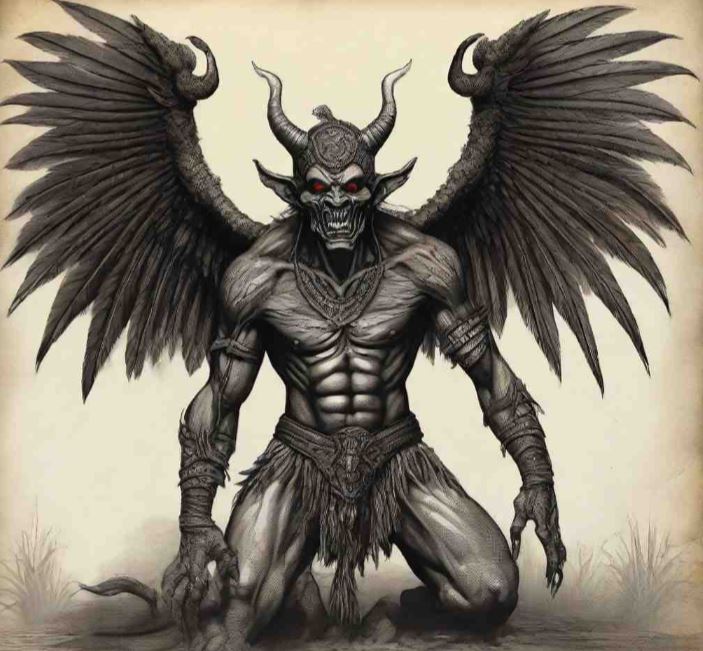
- Description: The Aswang is arguably the most famous creature in Philippine mythology. Is an umbrella term for various shape-shifting evil creatures in Filipino folklore. a shapeshifter that can appear as a human by day and a fearsome creature at night, often taking the form of a dog, pig, or bat. Aswangs are known for preying on humans, especially pregnant women and the unborn.
- Type: Vampire-like, ghoul, shapeshifter, werebeast
- Region: Nationwide, particularly in Visayas and Mindanao
Manananggal
- Description: A terrifying, vampire-like creature that can sever its upper body from its lower half. The upper torso, with bat-like wings, flies at night to hunt for victims, particularly pregnant women, to feed on their unborn children.
- Type: Vampire-like
- Region: Nationwide,Visayas, particularly in Capiz
Wakwak
.jpeg)
 |
| Wak-wak |
- Description: A bird-like creature often associated with the Aswang, known for its loud, echoing cry. It is said to be a harbinger of death and is believed to fly at night, hunting for its victims. In some versions, the Wakwak can transform into a human or a beautiful woman to deceive its prey.
- Type: Bird-like monster, Shapeshifter
- Region: Nationwide
Kapre
.jpeg)
 |
| Kapre |
- Description: A large, dark-skinned, hairy giant that is often seen sitting in tall trees, smoking a large cigar. Kapres are generally mischievous but not malicious. They are said to lead people astray by confusing them in forests.
- Type: Giant
- Region: Luzon and various other provinces
Tikbalang
.jpeg)
- Description: A half-man, half-horse creature with the body of a man and the head and hooves of a horse. Tikbalangs are said to inhabit mountainous or forested areas and can lead travelers astray. However, they are often seen as tricksters rather than outright evil.
- Type: Trickster spirit
- Region: Nationwide, particularly in Luzon
Tiyanak
.jpeg)
- Description: A demon that takes the form of a baby. It lures victims by crying like an innocent infant, and when approached, it transforms into a horrific creature and attacks. In some versions, the tiyanak is the spirit of a child who died before being baptized.
- Type: Demon, spirit,imp
- Region: Nationwide
Diwata
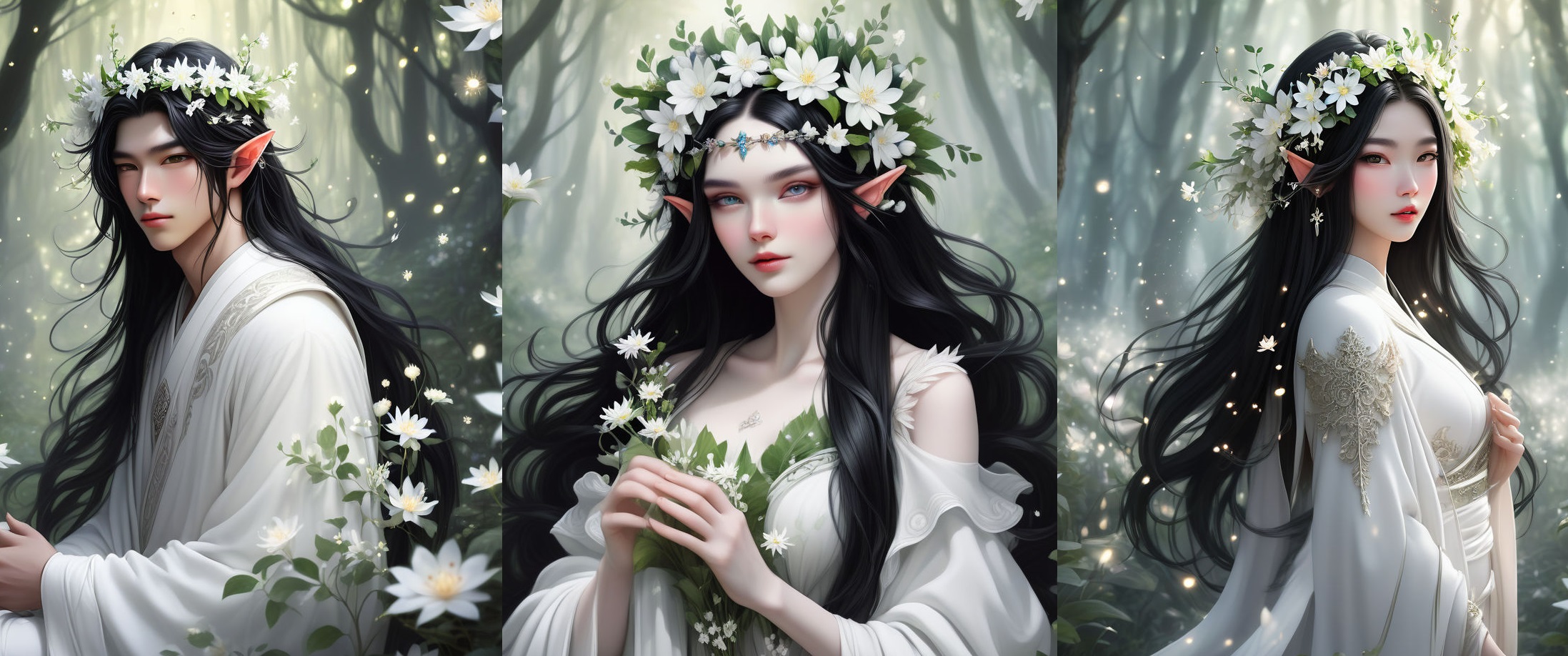


- Description: Benevolent nature spirits, akin to fairies or nymphs, and Ancient gods and goddesses who protect the environment, particularly forests, rivers, and mountains. Diwatas can be both kind and vengeful, depending on how humans treat their domain.
- Type: Nature spirit, gods goddesses
- Region: Nationwide, with specific associations in places like Mount Makiling (Luzon) Mount Mayon (Bicol) Mount Kanlaon (Visayas)
Lambana
.jpg) |
| Lambana |
.jpeg) |
| lambana |
 |
| lambana |
- Description: Tiny, winged creatures, much like fairies, Lambanas are nature spirits believed to live in forests or hidden realms. They are generally benevolent but can be mischievous. Lambanas are known for their beauty and glowing wings, and they are sometimes associated with protecting plants and animals.
- Type: Nature spirit, fairy
- Region: Central and Southern Philippines, particularly in Luzon NCR and Bicol Region
Duwende


- Description: Small, goblin-like creatures that live in mounds, houses, or forests. Duwendes can bring good or bad luck, depending on how they are treated. Respect is important in dealing with them, and people often leave offerings to avoid their wrath.
- Type: Earth Spirit, dwarf, Goblin
- Region: Nationwide
Nuno sa Punso
- Description: A dwarf-like creature that resides in anthills or small mounds of earth, called "punso." If disturbed or disrespected, the Nuno can curse the offender with sickness or misfortune.
- Type: Dwarf, earth spirit
- Region: Nationwide
Bakulaw
- Description: A large, apelike monster known for its brute strength and violent nature. The Bakulaw is believed to live deep in forests, preying on livestock or even humans.
- Type: Monster, giant
- Region: Luzon and Visayas
Sirena
- Description: Similar to mermaids in other mythologies, the Sirena is a beautiful half-human, half-fish creature who lives in the sea. They are known to lure fishermen or sailors with their songs, sometimes leading them to their doom.
- Type: Water spirit, Mermaid
- Region: Coastal areas of the Philippines
Berberoka


- Description: A water monster that lures fishermen by draining ponds and lakes, making them believe it's safe to fish. Once the men are lured into the water, the Berberoka floods the area and drowns them.
- Type: Water monster, Water Orge
- Region Cordillera
Sigbin
- Description: A creature that resembles a strange mix of a dog and a goat. It walks backward, with its head lowered between its hind legs. The Sigbin is believed to suck the blood of its victims or steal their shadows.
- Type: Monster
- Region: Visayas and Mindanao
Batibat
- Description: A vengeful spirit that inhabits trees, particularly the balete tree. If the tree is cut down, the Batibat may enter the home of the person responsible and attack them during sleep, causing fatal nightmares.
- Type: Spirit
- Region: Ilocos, Northern Philippines
Dalaketnon


- Description: Pale-skinned, dark-haired beings who live in lavish, hidden realms. Dalaketnons are evil engkantos who can lure humans to their world, often through seduction or trickery. Once someone enters their realm, they may never return.
- Type: Evil spirit, engkanto
- Region: Southern Bicol,Visayas, particularly in Leyte and Negros
Tamawo


- Description: Pale-skinned, albino-like elves who live in enchanted realms or forests. The Tamawo are generally elusive but are known to occasionally interact with humans. Though not always evil, they can be dangerous if disrespected. Some stories tell of humans falling in love with Tamawo, leading to tragic consequences.
- Type: Nature Spirit, Elf-like engkanto
- Region: Southern Bicol,Negros Occidental, Visayas
Santelmo
- Description: Also known as "St. Elmo's fire," the Santelmo is a glowing orb of fire that appears at night, especially in areas near water. It is believed to be the spirit of a deceased person, often leading people to danger or simply acting as a supernatural warning.
- Type: Spirit, fireball
- Region: Nationwide
Anggitay

- Description: A female centaur with the upper body of a human woman and the lower body of a horse. Anggitays are believed to be beautiful and alluring creatures, The Female counterpart of Tikbalang. They are often associated with fertility and nature.
- Type: Centaur, nature spirit
- Region: Visayas
Mahomanay

- Description: Kind spirits in Philippine mythology that serve as guardians of animals in the forest. They often appear as fair-skinned men with dark hair. Mahomanays are protectors against poachers and unkind hunters and are known to accept offerings for regulated hunting.
- Type: Guardian spirit, Elves
- Region: Visayas and Mindanao
Tahamaling
.jpeg)
- Description: Female spirits known for their red complexion who look after animals in the forest. They appear as beautiful women with red complexion and require offerings, such as betel leaves, before allowing people to hunt animals. They are protective and can punish those who disrespect the forest.
- Type: Guardian spirit, Elves
- Region: Visayas and Mindanao
Siyokoy
- Description: Sea creatures similar to mermen, often depicted with human bodies and fish-like tails. They are said to dwell in deep waters and are known to be mischievous and sometimes dangerous to fishermen or swimmers.
- Type: Merfolk,Water spirit, merman
- Region: Coastal areas of the Philippines
Naga
- Description: Serpent-like creatures with immense power and wisdom, often depicted as guardians of water bodies or treasures. In some stories, they can shape-shift into human forms and are revered in various cultures within the Philippines.
- Type: Water spirit, Shapeshifter Serpent, dragon
- Region: Nationwide, particularly in areas with significant water bodies

.jpeg)


.jpeg)
.jpeg)
.jpeg)
.jpeg)
.png)

.png)

